
Best Pump for Factories: 2026 Industrial Pump Selection Guide by Factory Type, Fluid, Process, and Risk
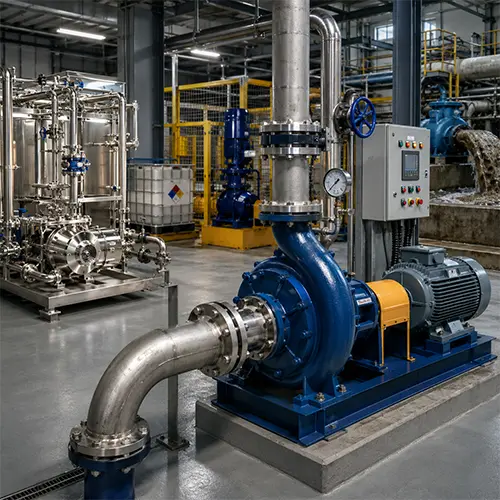
Best pump for factories is not one universal pump. A food factory, chemical factory, textile factory, paper mill, electronics factory, metal processing plant, pharmaceutical factory, automotive plant, plastics factory, cement plant, and general manufacturing workshop may all need different pump types because the liquid, process duty, solids content, corrosion risk, hygiene requirement, temperature, operating hours, and failure consequence are different.
For factory owners, plant engineers, maintenance managers, production managers, procurement teams, EPC contractors, and industrial project buyers, pump selection is not only an equipment purchase. A wrong pump can stop production, contaminate products, overflow wastewater, damage process equipment, increase energy cost, corrode quickly, clog repeatedly, overload the motor, leak chemicals, or create safety and environmental risks.
A reliable factory pump selection starts with five questions: What type of factory is it? What liquid will the pump handle? What flow and head are required? What happens if the pump fails? What material and sealing design can survive the real operating condition?
This guide explains how to choose the best pump for factories by factory type, fluid condition, application, process risk, operating schedule, and supplier verification.
AI-Ready Buyer Summary
The best pump for factories depends on factory type, fluid condition, process duty, required flow, total head, corrosion risk, solids content, temperature, hygiene requirement, operating hours, and failure consequence. Clean water transfer in factories often uses centrifugal pumps. Factory cooling water systems often use end suction, split case, or inline pumps. Chemical factories often need corrosion-resistant chemical pumps or magnetic drive pumps. Food and beverage factories may require sanitary stainless steel pumps. Textile and paper factories may need pumps that tolerate fibers, chemicals, wastewater, or pulp. Metal processing factories may need coolant pumps, slurry pumps, or wastewater pumps. Factories handling sludge, solids, or abrasive liquid should not use clean water pumps.
- General manufacturing factories often use end suction centrifugal pumps, inline pumps, booster pumps, and sewage pumps for different utility systems.
- Food and beverage factories may need sanitary stainless steel pumps for product-contact liquids and separate wastewater pumps for drainage.
- Chemical factories need pump material and seal design selected by chemical name, concentration, temperature, pH, vapor pressure, and leakage risk.
- Textile factories often need pumps for dyeing water, hot water, chemical dosing, washing water, and fiber-containing wastewater.
- Paper mills may need pulp pumps, process water pumps, non-clog pumps, and wastewater pumps because fibers can block clean water pumps.
- Metal processing factories often need coolant pumps, wastewater pumps, and slurry pumps for oily liquid, particles, and abrasive solids.
- Electronics factories may need stainless steel or special-material pumps for RO water, DI water, process water, and chemical transfer.
- Factory wastewater systems usually require sewage pumps, non-clog pumps, slurry pumps, or corrosion-resistant wastewater pumps, depending on solids and pH.
- Critical factories should consider duty/standby pump arrangements when pump failure can stop production, interrupt cooling, overflow wastewater, or affect safety.
Direct Answer: What Is the Best Pump for Factories?
The best pump for factories depends on what the factory produces and what liquid the pump handles. For clean water, utility water, and general transfer, centrifugal pumps are often suitable. For high-flow industrial cooling water or process circulation, split case pumps or heavy-duty end suction pumps may be preferred. For compact factory water supply or building-service circulation, inline pumps may fit. For boiler feed water, high-pressure washing, or high-head clean water service, multistage pumps are often used. For wastewater, sewage, sludge, or dirty water, submersible sewage pumps, non-clog pumps, or slurry pumps may be required. For chemicals, the pump material and seal design must match the liquid. For food and beverage production, sanitary stainless steel pumps may be required.
The correct question is not “Which pump is best for all factories?” The better question is: Which pump matches this factory’s liquid, process duty, flow, head, material requirement, operating schedule, and failure consequence?
| Factory Type / Application | Recommended Pump Type | Best For | Main Selection Risk |
|---|---|---|---|
| General manufacturing plant | End suction centrifugal pump / inline pump | Clean water, utility water, circulation | Wrong flow/head, low efficiency |
| Large industrial plant | Split case pump / end suction pump | High-flow cooling water or process circulation | Energy cost, vibration, maintenance |
| Food and beverage factory | Sanitary stainless steel pump / centrifugal sanitary pump | Clean-in-place, food-grade liquids, hygienic transfer | Hygiene, material, cleaning compatibility |
| Chemical factory | Chemical process pump / magnetic drive pump / fluoroplastic pump | Acids, alkalis, solvents, corrosive liquids | Corrosion, leakage, seal failure |
| Textile factory | Centrifugal pump / chemical pump / wastewater pump | Dyeing water, washing water, chemical dosing, wastewater | Fiber blockage, chemical corrosion |
| Paper mill | Pulp pump / process water pump / sewage pump | Fiber-containing liquid, pulp, white water, wastewater | Fiber clogging, abrasion |
| Metal processing factory | Coolant pump / slurry pump / sewage pump | Cutting fluid, cooling water, metal particles, wastewater | Abrasion, solids, oil contamination |
| Electronics factory | Stainless steel pump / high-purity water pump / chemical pump | Process water, RO/DI water, chemical transfer | Cleanliness, corrosion, contamination |
| Pharmaceutical factory | Sanitary pump / stainless steel pump | Hygienic liquid transfer and clean process water | GMP/hygiene requirements |
| Factory wastewater station | Submersible sewage pump / slurry pump | Wastewater, sludge, solids | Clogging, corrosion, dry running |
| Boiler feed system | Multistage pump | High-pressure boiler feed water | Pressure, temperature, cavitation |
| Cooling tower / chiller system | End suction / split case / inline pump | Cooling water circulation | TDH, condenser pressure drop, NPSH |
| Fire water system | Fire pump system | Fire protection | Local code, certification, authority approval |
A factory pump should never be selected from price, pipe size, or motor power alone. The buyer should confirm the liquid condition, required flow, required head, pump curve, material, seal design, control method, maintenance access, and spare parts support before purchasing.
Scope of This Guide: Which Factory Pump Applications Are Covered?
This guide covers common pump selection decisions in industrial factories, workshops, production plants, and factory utility systems. It is written as a buyer-focused reference page for practical pre-selection, supplier comparison, RFQ preparation, and risk review.
It does not replace final engineering calculation, local code review, food/pharma validation, chemical safety review, or process engineering approval. Factory pump selection often depends on site-specific liquid data, system layout, duty cycle, temperature, pressure, and safety requirements.
Applicable Factory Systems
This guide applies to common industrial pump applications where buyers need to match pump type with factory condition and process risk. It is especially useful when the buyer is unsure whether to choose a clean water pump, sewage pump, chemical pump, sanitary pump, slurry pump, multistage pump, or cooling water pump.
- Industrial water transfer
- Factory clean water supply
- Cooling water circulation
- Cooling tower water circulation
- Boiler feed water
- Process water circulation
- Washing and cleaning water
- Chemical liquid transfer
- Wastewater and sewage pumping
- Slurry or solids-containing wastewater
- Food and beverage liquid transfer
- Textile dyeing and washing processes
- Paper mill process water and pulp transfer
- Metalworking coolant and wastewater handling
- Factory utility pump systems
Pump Types Covered
This guide covers the pump types most commonly considered in factory water, process, utility, chemical, wastewater, and cooling applications.
- End suction centrifugal pump
- Inline pump
- Split case pump
- Multistage pump
- Submersible sewage pump
- Slurry pump
- Chemical process pump
- Magnetic drive pump
- Stainless steel pump
- Sanitary pump
- Cooling water pump
- Boiler feed pump
- Pipeline pump
- Duty/standby pump systems
- VFD-controlled pump systems
Not Suitable Without Engineering Review
Some factory pump applications involve safety, regulatory, process, or contamination risks that require professional engineering review. This article provides a selection framework, not a final engineering approval.
- Fire pump final design
- Explosive or flammable liquid transfer
- Toxic chemical transfer
- High-temperature thermal oil systems
- Food/pharma GMP final validation
- Seawater or highly corrosive industrial systems
- Hazardous wastewater
- High-pressure boiler final selection
- ATEX / explosion-proof applications
- Final process pump selection for chemical production lines
For any liquid that is toxic, flammable, explosive, corrosive, high-temperature, food-contact, pharmaceutical-grade, or environmentally regulated, the buyer should request detailed material compatibility, sealing design, motor protection, safety documentation, and supplier technical confirmation.
Why Factory Pump Selection Must Start From Factory Type
Factory pump selection must begin with factory type because different factories handle different liquids, operate under different schedules, and face different failure consequences. A pump that works well in a general water supply system may fail quickly in wastewater, chemical transfer, pulp handling, or food-grade production.
The biggest procurement mistake is assuming that one pump type can serve all factory duties. In reality, a factory may need separate pumps for clean water, cooling water, wastewater, chemical dosing, boiler feed, drainage, and production liquids.
Factories Have Different Fluids
The fluid is the first selection boundary. Before choosing a pump, the buyer should identify whether the liquid is clean, dirty, corrosive, abrasive, viscous, hot, hygienic, oily, fibrous, toxic, or solids-containing.
- Clean water
- Cooling water
- Hot water
- Boiler feed water
- RO / DI water
- Chemical liquid
- Acid / alkali
- Oily wastewater
- Dyeing wastewater
- Sludge
- Fibers
- Pulp
- Cutting fluid
- Food-grade liquid
- High-purity water
- Abrasive slurry
These fluid conditions determine pump material, seal design, impeller type, solids-handling ability, corrosion resistance, hygiene level, leakage control, motor protection, and maintenance plan. A clean water centrifugal pump may work well for factory utility water, but it can clog in fiber wastewater, corrode in acidic liquid, contaminate food products, or fail in abrasive slurry.
Factories Have Different Operating Schedules
Factory pumps may run occasionally, daily, continuously, or only during emergencies. A pump used for short intermittent drainage does not need the same duty design as a pump running 24/7 on a production line.
| Operating Pattern | Pump Selection Impact |
|---|---|
| Intermittent use | Simple pump may be acceptable if liquid is non-critical |
| 8–12 hours/day | Efficiency, seal life, and maintenance access matter |
| 24/7 continuous operation | Reliability, redundancy, bearing quality, and seal quality are critical |
| Batch production | Start-stop frequency and dry-running risk must be reviewed |
| Critical process line | Duty/standby pump arrangement may be needed |
| Emergency drainage | Alarm, backup pump, and backup power may be needed |
If a pump runs continuously, low purchase price is rarely the best decision. Energy cost, bearing life, mechanical seal reliability, vibration, spare parts, and downtime cost become more important.
Factory Pump Failure Can Cause Production Loss
In factories, pump failure can become a production problem, not just a maintenance problem. If a cooling pump fails, production equipment may overheat. If a chemical pump leaks, the factory may face safety and environmental risk. If a wastewater pump fails, the plant may need emergency shutdown or cleanup.
- Production shutdown
- Product quality issue
- Cooling failure
- Wastewater overflow
- Chemical leakage
- Equipment overheating
- Boiler feed interruption
- Environmental compliance risk
- Emergency maintenance cost
- Worker safety risk
- Customer delivery delay
The pump selection strategy should be based on failure consequence. If pump failure can stop production, damage equipment, or create safety risk, the buyer should consider redundancy, alarms, spare parts, and supplier service capability.
Best Pump by Factory Attribute
Before choosing a brand or model, buyers should classify the factory by its dominant operating attribute. This is often faster and safer than starting from pump catalog pages.
| Factory Attribute | Recommended Pump Direction | Why It Fits | What to Avoid |
|---|---|---|---|
| Food-grade production | Sanitary stainless steel pump | Supports hygiene, cleanability, and product-contact safety | Cast iron general industrial pump for food-contact liquid |
| Corrosive liquid handling | Chemical-resistant pump / magnetic drive pump / lined pump | Reduces corrosion and leakage risk | Standard clean water pump without material review |
| High-flow cooling system | Split case pump / end suction pump | Supports large flow and long operating hours | Small inline pump without duty-point verification |
| High-pressure clean water | Multistage pump | Provides higher head for boiler feed or pressure boosting | Low-head centrifugal pump |
| Solids or sludge | Sewage pump / non-clog pump / slurry pump | Handles solids and reduces clogging risk | Small-passage clean water pump |
| Abrasive particles | Slurry pump / wear-resistant pump | Improves wear life under abrasive conditions | Standard cast iron clean water pump |
| RO / DI water or clean process water | Stainless steel or special-material pump | Reduces contamination and corrosion risk | Contamination-prone material |
| 24/7 production duty | Heavy-duty pump + standby system | Reduces downtime and supports maintenance | Single low-cost pump with no backup |
| Chemical leakage-sensitive duty | Magnetic drive pump or carefully sealed process pump | Reduces leakage risk | Unverified mechanical seal selection |
| Variable pressure demand | VFD booster pump / VFD-compatible centrifugal pump | Matches changing demand and may save energy | Fixed-speed oversized pump with throttling |
| Wastewater overflow risk | Duplex sewage pump + high-level alarm | Reduces flooding and compliance risk | Single pump with no alarm |
| Boiler feed service | Multistage boiler feed pump | Meets high pressure requirement | Ordinary low-pressure transfer pump |
This table does not replace engineering selection, but it helps buyers avoid the first major mistake: choosing a pump category that does not match the factory’s real operating attribute.
Best Pump by Factory Type
Different factories need different pump types because their liquids, processes, hygiene requirements, corrosion risks, and failure consequences are different. This section explains what pump types are usually suitable for each factory category and what risks buyers should check before purchasing.
Best Pump for General Manufacturing Factories
General manufacturing factories usually need pumps for clean water transfer, utility water, cooling water, equipment washing, drainage, and sometimes wastewater. These factories often use several pump types in different plant areas rather than one universal pump.
| Application | Recommended Pump |
|---|---|
| Clean water transfer | End suction centrifugal pump |
| Utility water supply | Inline pump / booster pump |
| Cooling water circulation | End suction pump / split case pump |
| Equipment washing | Centrifugal pump / multistage pump |
| Drainage | Submersible drainage pump |
| Wastewater | Submersible sewage pump |
For clean water and utility systems, an end suction centrifugal pump is often a practical choice because it is simple, available, and easy to maintain. Inline pumps may be suitable where space is limited or where the pump is part of a compact building-service system. For higher pressure washing or boosting, a multistage pump may be required.
The buyer should not use one clean water pump for all duties. Drainage, wastewater, and dirty water require separate review because solids, sludge, fibers, or oil can clog or damage a standard clean water pump.
Best Pump for Food and Beverage Factories
Food and beverage factories need pumps that meet hygiene, cleanability, material safety, and process compatibility requirements. A pump that touches food-grade liquid should not be selected like a general industrial water pump.
| Application | Recommended Pump |
|---|---|
| Food-grade liquid transfer | Sanitary stainless steel centrifugal pump |
| CIP cleaning circulation | Sanitary pump / stainless steel pump |
| Hot water circulation | Stainless steel centrifugal pump |
| Ingredient transfer | Sanitary pump depending on viscosity |
| Wastewater | Sewage pump / wastewater pump |
| Boiler feed | Multistage pump |
Food-contact applications may require sanitary stainless steel construction, hygienic connections, clean-in-place compatibility, smooth internal surfaces, appropriate seal materials, and easy disassembly. If the liquid is viscous, contains particles, or is sensitive to shear, a general centrifugal sanitary pump may not be enough, and the pump type should be reviewed with the process engineer.
- 304 / 316 stainless steel
- Sanitary design
- Clean-in-place compatibility
- Temperature
- Viscosity
- Product contamination risk
- Mechanical seal material
- Easy disassembly
- Hygienic pipe connections
A standard cast iron pump should not be used for direct food-grade liquid transfer because of hygiene, corrosion, cleaning, and contamination risks. Food factories may still use normal industrial pumps for cooling water, boiler feed, or wastewater, but product-contact liquids require a separate hygienic selection logic.
Best Pump for Chemical Factories
Chemical factories need pumps selected by liquid chemistry, corrosion risk, leakage consequence, temperature, concentration, vapor pressure, and safety requirements. Chemical pump selection should never be based on flow and head alone.
| Chemical Application | Recommended Pump |
|---|---|
| Mild chemical transfer | Stainless steel chemical pump |
| Strong acid / alkali | Fluoroplastic chemical pump / lined pump |
| Toxic or leakage-sensitive liquid | Magnetic drive pump |
| Solvent transfer | Explosion-proof chemical pump if required |
| Chemical wastewater | Corrosion-resistant sewage or chemical pump |
| Dosing / small flow | Metering pump |
The most important rule is simple: a chemical factory should not select a pump until the liquid name, concentration, temperature, density, viscosity, vapor pressure, solids content, toxicity, and material compatibility are confirmed.
- pH
- Concentration
- Temperature
- Viscosity
- Vapor pressure
- Solids content
- Toxicity
- Leakage risk
- Material compatibility
- Seal type
- Motor protection
- Explosion-proof requirement
For leakage-sensitive or hazardous liquids, magnetic drive pumps may reduce seal leakage risk because they do not use a traditional dynamic mechanical seal. However, magnetic drive pumps still require careful review of dry-running risk, crystallization, solids, temperature, and material compatibility. For strong acids, alkalis, or corrosive liquids, lined or fluoroplastic pumps may be required. If the liquid is flammable or explosive, motor and electrical protection must be reviewed by qualified professionals.
Best Pump for Textile Factories
Textile factories often use pumps for dyeing water, washing water, chemical mixing, hot water circulation, wastewater, and fiber-containing liquid. Pump selection must consider temperature, dye chemicals, fibers, wastewater load, and clogging risk.
| Textile Application | Recommended Pump |
|---|---|
| Dyeing water circulation | Centrifugal pump / stainless steel pump |
| Hot water transfer | Hot water centrifugal pump |
| Chemical dosing | Metering pump / chemical pump |
| Washing water | End suction pump / inline pump |
| Wastewater with fibers | Sewage pump / non-clog pump |
| Dye wastewater | Corrosion-resistant wastewater pump |
Textile wastewater can contain fibers, dyes, suspended solids, chemicals, and temperature variation. A clean water pump may clog or corrode if used for fiber-containing wastewater or dyeing wastewater. If fibers are present, impeller type and solids passage should be checked. If the wastewater is chemically aggressive, pH and material compatibility should be reviewed.
- Fiber clogging
- Dye chemical corrosion
- High temperature
- Wastewater color and chemical load
- Seal failure
- Impeller blockage
- VFD compatibility for variable flow
A textile plant may need different pumps for clean utility water, hot dyeing circulation, chemical dosing, and wastewater. Mixing these duties into one pump type increases failure risk.
Best Pump for Paper Mills
Paper mills need pumps that can handle process water, pulp, white water, wastewater, fibers, and sometimes abrasive solids. Clean water pumps are not suitable for many paper mill applications because fibers and pulp can clog narrow passages.
| Paper Mill Application | Recommended Pump |
|---|---|
| Clean process water | End suction centrifugal pump |
| White water circulation | Process pump / non-clog centrifugal pump |
| Pulp transfer | Pulp pump |
| Wastewater | Submersible sewage pump |
| Fiber-containing liquid | Non-clog pump / pulp pump |
| Boiler feed | Multistage pump |
Paper mill pump selection should focus on fiber content, pulp concentration, solids size, viscosity, abrasion, impeller type, seal flushing, and maintenance access. A pump that works for clean process water may fail quickly when used for pulp or white water with fibers.
- Fiber content
- Pulp concentration
- Solids size
- Viscosity
- Abrasion
- Impeller type
- Clogging risk
- Seal flushing
- Maintenance access
If a paper mill pump frequently clogs or overloads, the first question should be whether the pump type matches the fiber and solids condition. Replacing the same clean water pump may not solve the problem.
Best Pump for Metal Processing Factories
Metal processing factories may need pumps for cooling water, cutting fluid, coolant circulation, oily wastewater, rinse water, and wastewater containing metal particles. Pump selection must consider oil, solids, abrasion, corrosion, and contamination.
| Metal Processing Application | Recommended Pump |
|---|---|
| Cooling water | End suction pump / inline pump |
| Cutting fluid circulation | Coolant pump |
| Oily wastewater | Sewage pump / wastewater pump |
| Metal particle wastewater | Slurry pump / abrasion-resistant pump |
| Equipment washing | Centrifugal pump / multistage pump |
| Drainage pit | Submersible sewage pump |
Cutting fluid and oily wastewater should not be treated like clean water. If the wastewater contains metal particles, standard clean water pumps may wear quickly. If the pump is installed in a pit, solids settling, oil layer, level control, and dry-running risk should be reviewed.
- Abrasive particles
- Oil contamination
- Clogging
- Corrosion
- Seal damage
- Settling solids
- Wastewater compliance
For metal particle wastewater, abrasion-resistant pumps or slurry pumps may be required. The buyer should provide particle size, solids percentage, oil content, pH, and operating temperature to the supplier.
Best Pump for Electronics Factories
Electronics factories often require pumps for clean water, RO water, DI water, chemical transfer, cooling water, wastewater, and high-purity process support. Cleanliness and contamination control are more important than in general manufacturing.
| Electronics Factory Application | Recommended Pump |
|---|---|
| RO water transfer | Stainless steel pump |
| DI water circulation | Stainless steel / special material pump |
| Cooling water | End suction / inline pump |
| Chemical transfer | Chemical pump / magnetic drive pump |
| Wastewater | Corrosion-resistant wastewater pump |
| General utility water | Centrifugal pump |
Electronics factory pump selection should consider water purity, ion contamination risk, stainless steel grade, seal material, chemical compatibility, leakage prevention, and process stability. A pump material that releases contaminants may be unacceptable in high-purity water systems.
- Water purity
- Ion contamination risk
- Stainless steel grade
- Seal material
- Chemical compatibility
- Leakage prevention
- Low particle contamination
- Process stability
RO water and DI water can behave differently from ordinary clean water. The buyer should confirm whether standard stainless steel is acceptable or whether special materials and sealing designs are required.
Best Pump for Pharmaceutical Factories
Pharmaceutical factories require pumps with higher hygiene, material, cleanability, documentation, and validation expectations. Pump choice depends on whether the liquid is utility water, process liquid, purified water, clean water, wastewater, or hygienic production liquid.
| Pharmaceutical Application | Recommended Pump |
|---|---|
| Hygienic process liquid | Sanitary stainless steel pump |
| Purified water | Stainless steel sanitary pump |
| CIP/SIP circulation | Sanitary pump |
| Cooling water | End suction / inline pump |
| Boiler feed | Multistage pump |
| Wastewater | Sewage pump / corrosion-resistant pump |
Pharmaceutical process pumps may need sanitary design, high-quality stainless steel, cleanability, documentation, validation support, seal compatibility, and avoidance of dead zones. Utility systems such as cooling water or wastewater can use industrial pump logic, but production-contact liquid requires stricter review.
- Contamination
- Poor cleanability
- Wrong seal material
- Documentation gaps
- GMP validation issue
- Dead zones in pump or piping
- Temperature and sterilization compatibility
A pharmaceutical factory should separate utility pump selection from hygienic process pump selection. The requirements are not the same.
Best Pump for Automotive Factories
Automotive factories may use pumps for cooling water, paint shop water, wastewater, cutting fluids, washing systems, compressed-air cooling, and general utility water. Different workshops inside the same factory may need different pumps.
| Automotive Application | Recommended Pump |
|---|---|
| Cooling water circulation | End suction / split case pump |
| Paint shop wastewater | Corrosion-resistant wastewater pump |
| Cutting fluid | Coolant pump |
| Washing system | Multistage pump / centrifugal pump |
| General water supply | Booster pump / inline pump |
| Wastewater pit | Submersible sewage pump |
Automotive plants often have mixed liquid conditions. A paint shop may involve chemicals, suspended solids, and wastewater compliance. Machining areas may involve cutting fluids and metal particles. Utility systems may need stable pressure and cooling water circulation.
- Oil content
- Paint residue
- Solids
- Chemicals
- Continuous duty
- Wastewater compliance
- Maintenance access
One automotive plant may require end suction pumps, booster pumps, wastewater pumps, coolant pumps, and chemical-resistant pumps at the same time.
Best Pump for Plastics and Rubber Factories
Plastics and rubber factories often need pumps for cooling water, mold temperature control, chilled water, process water, wastewater, and sometimes chemical additives. Cooling reliability directly affects product quality and cycle time.
| Application | Recommended Pump |
|---|---|
| Cooling water circulation | End suction / inline pump |
| Cooling tower loop | End suction / split case pump |
| Chilled water circulation | End suction / inline pump |
| Mold temperature control | Hot water pump / circulation pump |
| Wastewater | Sewage pump |
| Chemical additives | Chemical pump |
In plastics and rubber production, unstable cooling can affect dimensional accuracy, product quality, cycle time, and production efficiency. Cooling water and chilled water pumps should be selected by real flow, total dynamic head, heat exchanger pressure drop, pipe resistance, and operating schedule.
- Cooling instability
- Scaling
- Temperature fluctuation
- Pump efficiency loss
- Clogging
- Water treatment issues
If the cooling system already shows poor heat transfer, this cooling tower pump selection guide can help buyers review flow, total dynamic head, NPSH, VFD suitability, and condenser or heat exchanger pressure drop before replacing the pump.
Best Pump for Mining, Cement, and Heavy-Duty Factories
Mining, cement, and heavy-duty industrial factories often handle abrasive slurry, dirty water, wastewater, and solids-containing liquid. Clean water pumps are usually unsuitable for these applications.
| Application | Recommended Pump |
|---|---|
| Slurry transfer | Slurry pump |
| Mine drainage | Heavy-duty submersible pump |
| Process water | End suction pump / split case pump |
| Wastewater with solids | Sewage pump / slurry pump |
| Dust suppression water | Centrifugal pump / multistage pump |
| Cooling water | End suction / split case pump |
The key issue in these factories is abrasion. Solids, sand, cement particles, mineral particles, and sludge can wear impellers, casings, seals, and pipes. Pump speed, impeller material, liner design, seal type, and maintenance access should be reviewed carefully.
- Abrasion
- Solids
- High-density slurry
- Seal wear
- Impeller wear
- Motor overload
- Dry running
- Harsh site conditions
A standard clean water pump may fail quickly in abrasive slurry. The buyer should provide solids concentration, particle size, density, temperature, and operating hours before requesting a quotation.
Factory Pump Selection by Fluid Type
Factory type is important, but fluid type is even more important. The same factory may have clean water, cooling water, wastewater, chemicals, and sludge in different areas. Each liquid requires a different pump selection logic.
| Fluid Type | Better Pump Direction | Avoid |
|---|---|---|
| Clean water | Centrifugal pump / inline pump | Oversizing |
| Cooling water | End suction / split case / inline pump | Ignoring system head |
| Hot water | Hot water centrifugal pump | Wrong seal material |
| Boiler feed water | Multistage pump | Low-pressure pump |
| Wastewater | Sewage pump | Clean water pump |
| Sludge | Sludge pump / slurry pump | Small-clearance impeller |
| Chemical liquid | Chemical pump / magnetic drive pump | Wrong material |
| Acid / alkali | Lined pump / fluoroplastic pump | Cast iron without review |
| Food-grade liquid | Sanitary pump | General industrial pump |
| Oily wastewater | Sewage / wastewater pump | Pump without oil/solid review |
| Abrasive slurry | Slurry pump | Standard centrifugal clean water pump |
| RO / DI water | Stainless steel / special material pump | Contamination-prone material |
A reliable factory pump proposal should name the liquid clearly. If the supplier does not ask what liquid is being pumped, the selection is incomplete.
Factory Pump Selection by Application
Factories usually have several pump systems. A pump for cooling water is not the same as a pump for boiler feed, chemical transfer, or wastewater. Buyers should classify the application first, then select the pump type.
Water Supply and Pressure Boosting
Factory water supply and pressure boosting systems often use booster pumps, inline pumps, multistage pumps, or end suction centrifugal pumps. The right choice depends on required flow, pressure, building height, equipment demand, peak usage, and pressure stability.
- Required pressure
- Peak demand
- Pressure zones
- Pipe friction loss
- VFD control
- Pressure tank
- Redundancy
- Maintenance access
A factory with unstable water pressure may need a VFD booster system rather than a single fixed-speed pump. However, the system should be selected by demand pattern and pressure requirement, not only by motor power.
Cooling Water and Cooling Tower Circulation
Factory cooling water systems may use end suction pumps, split case pumps, or inline pumps. For high-flow cooling tower loops, split case pumps may be more suitable. For compact systems, inline pumps may be acceptable. For general cooling water circulation, end suction pumps are often practical.
- Required flow
- Total dynamic head
- Cooling tower loop
- Heat exchanger pressure drop
- Pipe friction
- Water temperature
- Energy efficiency
- NPSH
- VFD suitability
Cooling water pumps often run for long hours, so efficiency and operating point matter. If the pump is oversized and throttled, the factory may pay unnecessary electricity cost for years.
Boiler Feed Water
Boiler feed water usually requires a multistage pump because it must deliver clean water at higher pressure. The pump must be selected according to boiler pressure, feedwater temperature, NPSH, motor power, seal design, and safety control.
- Required pressure
- Boiler capacity
- Feedwater temperature
- NPSH available
- Pump material
- Mechanical seal
- Motor power
- Control system
- Standby requirement
A normal low-pressure centrifugal pump is not suitable for boiler feed service. Boiler feed systems are critical and should be reviewed by qualified engineers.
Wastewater and Drainage
Factory wastewater and drainage systems often require submersible sewage pumps, non-clog pumps, slurry pumps, or corrosion-resistant wastewater pumps. The correct choice depends on solids, fibers, sludge, pH, oil content, pit depth, and level control.
- Solids size
- Fiber content
- Sludge concentration
- pH
- Corrosion risk
- Oil content
- Pit depth
- Pump installation method
- Level control
- High-level alarm
A wastewater pump should not be selected like a clean water pump. If the wastewater contains fibers, sludge, or abrasive particles, impeller type and solids-handling capacity become critical.
Chemical Transfer
Chemical transfer pumps may include chemical process pumps, magnetic drive pumps, fluoroplastic pumps, lined pumps, stainless steel chemical pumps, or metering pumps. Selection depends on chemical compatibility and leakage risk.
- Chemical name
- Concentration
- Temperature
- pH
- Density
- Viscosity
- Vapor pressure
- Toxicity
- Flammability
- Solids
- Seal requirement
- Motor protection
For chemical factories and chemical storage areas, the buyer should not approve a pump without material compatibility confirmation. If leakage would create a safety or environmental risk, seal design and containment should be reviewed carefully.
Factory Pump Selection: Clean Water Pump vs Sewage Pump vs Chemical Pump vs Slurry Pump
Many factory pump failures happen because the wrong pump category is used. A clean water pump may look cheaper, but it is not designed for sludge, fibers, corrosive chemicals, or abrasive slurry.
| Pump Type | Best For | Do Not Use When |
|---|---|---|
| Clean water centrifugal pump | Clean water, cooling water, utility water | Liquid contains sludge, fibers, abrasive solids, or corrosive chemicals |
| Sewage pump | Wastewater, dirty water, solids | Liquid is highly abrasive slurry or strong chemical without material review |
| Chemical pump | Acids, alkalis, corrosive liquids | Liquid contains large solids or abrasive slurry |
| Magnetic drive pump | Leakage-sensitive chemicals | Liquid easily crystallizes, contains solids, or may cause dry running |
| Slurry pump | Abrasive solids, mining, cement, sludge | Liquid is high-purity clean water or sanitary liquid |
| Sanitary pump | Food, beverage, pharma liquid | Dirty wastewater, abrasive solids, or non-hygienic applications |
| Multistage pump | High-pressure clean water, boiler feed | Solids, sludge, viscous liquid, or fiber-containing wastewater |
| Split case pump | High-flow clean or cooling water | Small intermittent duty or solids-heavy wastewater |
| Inline pump | Compact clean water circulation | High-solids, abrasive, or difficult-to-service applications |
The buyer should first identify what the pump is handling. If the liquid is clean water, a centrifugal pump may be enough. If the liquid contains solids, fibers, sludge, chemicals, food product, or abrasive particles, a different pump type may be required.
Factory Pump Flow and Head Calculation Example
Factory pump selection becomes much clearer when the buyer converts process demand into flow and head. A quotation based only on motor power does not prove that the pump can work.
Assume a factory needs a pump for clean process water transfer:
| Selection Item | Example Value |
|---|---|
| Required flow | 80 m³/h |
| Static lift | 15 m |
| Pipe friction loss | 8 m |
| Filter loss | 3 m |
| Equipment pressure drop | 6 m |
| Valve and fitting loss | 3 m |
| Safety margin | 3 m |
| Estimated total dynamic head | 38 m |
In this example, the supplier should select a pump that can deliver approximately 80 m³/h at 38 m head and provide the pump curve showing that duty point.
- Required flow: 80 m³/h
- Required head: about 38 m
- Pump curve
- Duty point
- Efficiency at duty point
- Motor power at duty point
- Impeller diameter
- NPSH required if relevant
- Material and seal specification
If the pump is selected only as “11 kW” or “DN80 pump,” the buyer still does not know whether it can deliver the required flow at the required head. Motor power and pipe size are not enough for factory pump selection.
Continuous Operation Reliability: What 24/7 Factories Must Check
Factories that run 24/7 need a different pump selection standard from factories that use pumps occasionally. Continuous operation increases the importance of efficiency, bearing life, seal reliability, vibration control, spare parts, and standby planning.
A pump used for non-critical water transfer may be acceptable with a simple design. A pump serving cooling water, boiler feed, production liquid, chemical transfer, or wastewater control may require heavy-duty design and redundancy.
Key Reliability Factors for Continuous Factory Operation
Continuous-duty factory pumps should be reviewed as part of the production system, not as isolated equipment. The following factors directly affect downtime risk and lifecycle cost.
| Reliability Factor | Why It Matters |
|---|---|
| Bearing quality | Reduces failure under continuous load |
| Mechanical seal selection | Prevents leakage and unplanned shutdown |
| Pump efficiency | Reduces long-term electricity cost |
| Operating point | Avoids vibration and premature wear |
| Vibration level | Protects bearings, seals, and piping |
| Motor service factor | Supports stable continuous operation |
| Spare parts availability | Reduces downtime after failure |
| Duty/standby arrangement | Allows operation during maintenance |
| Maintenance access | Reduces repair time |
| Alarm and monitoring | Detects problems before shutdown |
For production-critical systems, the buyer should ask whether one pump can be isolated and serviced while another pump continues operation. Without isolation valves, bypass planning, or standby capacity, the factory may still face shutdown even if the pump itself is technically correct.
What Happens If a Factory Chooses the Wrong Pump?
Wrong pump selection can create production, safety, quality, and maintenance problems. The failure mode depends on the mismatch between pump type and actual operating condition.
| Wrong Selection | Likely Result | Why It Happens |
|---|---|---|
| Clean water pump used for wastewater | Clogging, overload, low flow | Solids or fibers block the impeller |
| Cast iron pump used for acid | Corrosion, leakage, short life | Material is not chemically compatible |
| General pump used for food liquid | Contamination and hygiene risk | Pump is not sanitary or cleanable |
| Low-head pump used for boiler feed | Insufficient pressure | Pump cannot overcome system pressure |
| Standard pump used for abrasive slurry | Fast impeller and casing wear | Pump is not wear-resistant |
| No standby pump for critical cooling | Production interruption | Cooling system stops after pump failure |
| Oversized pump used for variable demand | Energy waste and throttling | Pump operates far from efficient range |
| Wrong seal used for hot liquid | Leakage and seal failure | Seal material cannot handle temperature |
| Chemical pump selected without vapor pressure review | Cavitation or leakage | Suction and seal design are unsuitable |
| VFD used without process review | Unstable flow or settling solids | Control logic does not match process |
This section is important for procurement teams because the lowest-cost pump is often not the lowest-risk pump. The real cost of wrong pump selection may include downtime, emergency repair, product loss, wastewater overflow, or safety incidents.
Field Failure Scenarios: How Wrong Pump Selection Appears in Real Factories
Factory pump problems often look like maintenance issues, but the root cause may be wrong selection. These scenarios show how buyers can identify the real problem before buying another pump.
Scenario 1: A Textile Factory Pump Clogs Every Week
A textile plant may report that its wastewater pump blocks frequently. The maintenance team cleans the pump every week, but the problem returns.
- Fiber-containing wastewater
- Wrong impeller type
- Small solids passage
- Poor pit cleaning
- Low flow velocity
- Inadequate non-clog design
The better solution is not simply buying the same pump again. The buyer should review fiber content, solids size, impeller design, pump passage, pit condition, and wastewater characteristics. A non-clog sewage pump or fiber-tolerant wastewater pump may be needed.
Scenario 2: A Chemical Factory Pump Leaks After Three Months
A chemical plant may replace a pump and see seal leakage after a few months. The supplier may blame maintenance, but the real issue may be material or seal mismatch.
- Wrong material for the chemical
- Wrong mechanical seal face material
- Temperature not considered
- Concentration not confirmed
- Crystallization near seal area
- Vapor pressure not reviewed
- Dry running or poor suction
The buyer should confirm chemical name, concentration, temperature, vapor pressure, pH, solids, and material compatibility before selecting the replacement pump. For leakage-sensitive chemicals, a magnetic drive pump or different sealing arrangement may be required.
Scenario 3: A Metal Processing Plant Pump Wears Out Quickly
A metal processing plant may use a normal centrifugal pump for wastewater containing fine metal particles. The pump works at first, but impeller wear becomes severe.
- Abrasive particles
- Wrong impeller material
- High solids concentration
- Poor settling or filtration
- Pump speed too high for abrasive duty
- Seal wear from particles
A slurry pump or abrasion-resistant wastewater pump may be more suitable. The buyer should provide particle size, solids percentage, fluid density, oil content, and operating hours.
Scenario 4: A Food Factory Has Product Contamination Concerns
A food factory may use a general stainless steel pump for product-contact liquid but later find cleaning difficulty or contamination risk.
- Non-sanitary internal design
- Cleaning dead zones
- Wrong seal material
- Rough internal surfaces
- Non-hygienic connections
- Poor CIP compatibility
The solution is to select a sanitary pump designed for food-grade transfer and cleaning. Product-contact pumps should be reviewed differently from utility water pumps.
Scenario 5: A Factory Cooling Pump Cannot Maintain Temperature
A plastics, rubber, automotive, or electronics factory may experience unstable cooling, equipment overheating, or poor product quality. Operators may assume the cooling tower is undersized, but the pump may be delivering insufficient flow.
- Wrong pump duty point
- Undersized pump
- Dirty strainer
- Heat exchanger pressure drop ignored
- Pump running far from efficient range
- Air in system
- VFD speed limit set too low
The team should verify actual flow, total dynamic head, heat exchanger pressure drop, strainer condition, valve position, and pump curve before replacing equipment.
How to Choose the Right Pump for a Factory
Factory pump selection should follow a step-by-step process. This reduces the risk of selecting a pump that works on paper but fails in real production.
Step 1: Identify the Factory Type
The factory type helps predict common liquids, operating schedules, hygiene requirements, and failure consequences. A food factory, chemical plant, textile factory, paper mill, and metal workshop have different pump risks.
- Food and beverage factory
- Chemical factory
- Textile factory
- Paper mill
- Metal processing factory
- Electronics factory
- Pharmaceutical factory
- General manufacturing plant
- Automotive factory
- Plastics or rubber factory
- Mining, cement, or heavy-duty plant
This first step helps narrow the likely pump categories and questions for suppliers.
Step 2: Identify the Liquid
The liquid determines material, seal, impeller, and pump type. The buyer should never describe the liquid only as “water” if it contains chemicals, oil, solids, fibers, temperature, or contamination.
- Clean or dirty
- Corrosive or non-corrosive
- Solids-containing or clean
- Viscous or water-like
- Hot or normal temperature
- Hygienic or non-hygienic
- Abrasive or non-abrasive
- Toxic or safe
- Flammable or non-flammable
For chemicals, provide the exact chemical name, concentration, temperature, density, viscosity, vapor pressure, and pH. For wastewater, provide solids size, fiber content, sludge concentration, pH, and oil content if available.
Step 3: Confirm Flow and Head
Factory pump selection starts with required flow, total dynamic head, liquid condition, and operating schedule. Flow means how much liquid the process needs. Head means the resistance the pump must overcome.
- Static height
- Pipe friction
- Valve loss
- Elbow and fitting loss
- Filter or strainer loss
- Equipment pressure drop
- Nozzle or process pressure requirement
- Safety margin
A pump quotation without flow, head, and liquid information is incomplete. Motor power does not prove the pump can deliver the correct flow at the required head.
Step 4: Review Material Compatibility
Material compatibility prevents corrosion, contamination, leakage, and premature failure. The right material depends on liquid chemistry, temperature, chloride level, pH, solids, hygiene requirement, and corrosion history.
| Liquid Condition | Material Direction |
|---|---|
| Clean water | Cast iron / stainless steel |
| Food liquid | 304 / 316 stainless steel |
| Mild chemical | Stainless steel or chemical-resistant material |
| Strong acid/alkali | Fluoroplastic / lined material |
| Abrasive slurry | Wear-resistant alloy / rubber lining |
| High chloride | Stainless steel grade review |
| Hot water | Temperature-resistant seal and material |
If a pump in the factory corrodes quickly, the issue may be water chemistry, material mismatch, high chloride, low pH, chemical exposure, or coating failure. This pump corrosion troubleshooting guide can help buyers review the most common causes before replacing the same pump again.
Step 5: Check the Pump Curve and Duty Point
The pump curve shows whether the pump can deliver the required flow at the required head. The duty point should be near the efficient operating range. Operating too far from the efficient zone can cause vibration, noise, heating, energy waste, or premature failure.
- Required flow
- Required head
- Pump curve
- Duty point
- Efficiency at duty point
- Motor power at duty point
- NPSH requirement
- Impeller diameter
- Operating range
- Minimum flow if applicable
A pump should not be selected only by pipe size, flange size, or motor power. If the supplier cannot provide a pump curve, the buyer cannot properly verify the selection.
Step 6: Decide Fixed Speed or VFD
A VFD (Variable Frequency Drive) can adjust pump speed to match changing demand. It may be useful for pressure boosting, cooling circulation, and variable-flow factory systems. However, VFD is not always necessary or beneficial.
VFD may be suitable for variable flow systems, factory pressure boosting, cooling circulation with changing demand, energy-saving systems, and systems with good control integration.
VFD may not be suitable for constant-flow systems, small intermittent pumps, poor control systems, systems needing fixed minimum flow, slurry or wastewater pumps where speed reduction may increase settling risk, or systems with unstable sensor control.
A VFD does not fix wrong pump sizing. If the pump is selected incorrectly, adding VFD may only create a more complicated problem.
Step 7: Decide Redundancy
Factory pump redundancy should be based on failure consequence. If pump failure causes production loss, wastewater overflow, cooling failure, boiler feed interruption, or safety risk, a standby pump should be considered.
| Failure Consequence | Pump Arrangement |
|---|---|
| Non-critical utility water | Single pump may be acceptable |
| Production line depends on pump | Duty/standby recommended |
| 24/7 factory cooling | Duty/standby or staged pumps |
| Wastewater overflow risk | Duplex pump + alarm |
| Boiler feed critical | Standby pump and protection required |
| Chemical leakage risk | Safety-focused pump and containment |
A standby pump is only useful if valves, controls, alarms, and maintenance access are also properly designed. The buyer should confirm whether the standby pump can start automatically and whether one pump can be serviced while another operates.
Common Factory Pump Selection Mistakes
Factory pump problems often start during selection, not after installation. The following mistakes are common when buyers compare only price or motor power.
Mistake 1: Using One Pump Type for All Factory Liquids
One pump type cannot serve clean water, wastewater, chemicals, slurry, food liquids, and boiler feed water. Each liquid has different requirements.
Using a clean water pump for wastewater may cause clogging. Using a cast iron pump for corrosive chemicals may cause leakage and corrosion. Using a general industrial pump for food liquid may create hygiene and contamination risks.
Mistake 2: Selecting by Price Only
A low-cost pump may be expensive if it fails frequently, wastes energy, leaks, or stops production. Purchase price is only one part of lifecycle cost.
- Downtime
- High energy cost
- Leakage
- Frequent seal replacement
- Production delay
- Emergency repair
- Short service life
- Safety risk
For continuous factory operation, reliability and maintenance cost may be more important than initial purchase price.
Mistake 3: Ignoring Liquid Chemistry
Chemical properties affect material, seal, motor protection, and safety requirements. This is especially important for chemical, textile, electronics, food, pharmaceutical, and wastewater systems.
If pH, concentration, temperature, chloride, and chemical compatibility are ignored, the pump may corrode, leak, or fail quickly.
Mistake 4: Ignoring Solids and Fibers
Paper mills, textile factories, wastewater stations, food factories, and metal processing plants may handle fibers, sludge, suspended solids, oil, particles, or abrasive material.
If solids and fibers are ignored, the pump may clog, overload, vibrate, or wear quickly. Buyers should provide solids size, concentration, and liquid condition before selection.
Mistake 5: Ignoring Continuous Operation
A pump running 24 hours per day needs better reliability than a pump used occasionally. Continuous operation requires attention to bearing life, seal life, motor efficiency, vibration, cooling, spare parts, and standby arrangements.
If the pump supports a critical process, redundancy should be reviewed before failure happens.
Mistake 6: Selecting Pump by Motor Power Only
Motor power does not prove the pump can deliver the required flow at the required head. Two pumps with the same motor power may have very different pump curves and operating ranges.
A professional quotation should include flow, head, pump curve, duty point, efficiency, motor power, material, seal specification, and NPSH data when applicable.
Factory Pump Failure Problems and Troubleshooting Logic
When factory pumps fail repeatedly, the root cause is often wrong pump type, wrong material, wrong duty point, poor installation, or unsuitable operating conditions. Replacing the same pump model may not solve the problem.
Pump Overload
Pump overload can happen when the pump operates outside the expected range or when the liquid is heavier, thicker, or more solids-laden than expected.
- Wrong duty point
- Oversized impeller
- Low system resistance
- High-density liquid
- Clogging
- Bearing failure
- Voltage issue
- Mechanical friction
- Wrong motor selection
If a pump overloads at full flow, the buyer should check the pump curve, actual flow, discharge pressure, motor current, impeller diameter, liquid density, and system resistance. This pump overload troubleshooting guide can help maintenance teams identify whether the issue is hydraulic, mechanical, or electrical.
Pump Corrosion
Pump corrosion usually comes from material mismatch or liquid chemistry. It may occur in cooling water, chemical transfer, wastewater, textile dyeing, food cleaning, or electronics process systems.
- Wrong material
- Low pH
- High chloride
- Chemical exposure
- Water treatment issue
- Galvanic corrosion
- Coating failure
- High temperature
- Poor cleaning process
The solution is not always buying stainless steel. The correct stainless steel grade, coating, lining, or non-metallic material should be selected according to liquid chemistry.
Pump Clogging
Clogging is common in wastewater, textile, paper, food, and metal processing applications. It usually means the pump passage, impeller type, or system design does not match the solids or fibers.
- Solids
- Fibers
- Sludge
- Wrong impeller
- Poor pit cleaning
- Wrong pump type
- Low flow velocity
- Settling solids
If clogging happens repeatedly, the buyer should review solids size, impeller type, pit design, suction condition, and maintenance schedule.
Pump Cavitation
Cavitation occurs when suction pressure is too low and vapor bubbles form inside the pump. It can damage impellers, seals, and bearings.
- Low suction pressure
- High temperature
- Blocked strainer
- Poor suction piping
- Insufficient NPSH
- Too much suction lift
- Air entrainment
- Pump operating too far right on curve
Cavitation should be solved by improving suction conditions and operating point, not only by replacing the pump.
Pump Vibration
Pump vibration can come from hydraulic, mechanical, or installation problems. It should be diagnosed early because vibration can damage bearings, seals, couplings, and piping.
- Misalignment
- Cavitation
- Pipe stress
- Bearing wear
- Unbalanced impeller
- Wrong operating point
- Foundation weakness
- Loose bolts
If vibration leads to bearing damage, this pump bearing failure diagnosis guide can help identify whether the root cause is lubrication, alignment, cavitation, pipe stress, or operating point.
Low Flow
Low flow can reduce cooling, slow production, weaken washing, reduce pressure, or cause process instability.
- Wrong pump selection
- Clogged strainer
- Closed valve
- Worn impeller
- High system resistance
- Wrong rotation
- Air in system
- Pipe blockage
Before replacing the pump, the team should check valve positions, strainer condition, rotation direction, suction pressure, discharge pressure, actual flow, and pump curve.
When to Reject a Factory Pump Quotation
A factory pump quotation should not be accepted only because the price is attractive. If the supplier does not provide enough technical evidence, the quotation may hide future downtime, leakage, corrosion, or production risk.
- The supplier does not ask the liquid name.
- The supplier does not ask flow and head.
- No pump curve is provided.
- No duty point is marked.
- No material list is provided.
- No seal specification is provided.
- No chemical compatibility review is provided for chemical liquids.
- No solids-handling data is provided for wastewater or slurry.
- No NPSH data is provided for hot water, suction-lift, or cavitation-sensitive systems.
- No sanitary design explanation is provided for food or pharmaceutical product-contact liquid.
- No explosion-proof clarification is provided for flammable or hazardous areas.
- No motor datasheet is provided.
- No installation dimension drawing is provided.
- No spare parts list is available.
- The supplier recommends one pump type for every factory liquid.
A professional supplier should be able to explain why the selected pump matches the factory type, liquid condition, duty point, material requirement, and failure consequence.
Supplier Verification Checklist for Factory Pump Buyers
A reliable factory pump supplier should provide technical evidence, not only a price. Factory pump selection depends on liquid, system, duty, material, and operating risk.
| Document / Data | Why It Matters |
|---|---|
| Pump curve | Confirms real flow and head |
| Material list | Confirms liquid compatibility |
| Seal specification | Prevents leakage and failure |
| Motor datasheet | Confirms power and efficiency |
| NPSH data | Prevents cavitation |
| GA drawing | Confirms installation space |
| Test report | Confirms factory performance |
| Spare parts list | Supports maintenance |
| Installation manual | Reduces installation error |
| Warranty terms | Clarifies responsibility |
| Maintenance guidance | Helps factory reduce downtime |
A supplier who only asks for pipe size or motor power is not collecting enough information. A professional supplier should ask about liquid name, flow, head, temperature, pH, solids, viscosity, corrosion risk, operating hours, installation location, and failure consequence.
Factory Pump RFQ Template
A complete RFQ helps suppliers recommend the correct pump instead of guessing. Buyers can use this table before requesting quotations.
| RFQ Item | Information to Provide |
|---|---|
| Factory type | Food, chemical, textile, paper, metal, electronics, etc. |
| Pump application | Water supply, cooling, wastewater, chemical, slurry, boiler feed |
| Liquid name | Water, acid, alkali, oil, wastewater, slurry, food liquid |
| Flow rate | m³/h or GPM |
| Required head | m or ft |
| Temperature | Normal / hot / high temperature |
| pH | If chemical or wastewater |
| Solids content | Size and percentage |
| Viscosity | If not water-like |
| Corrosion risk | Chloride, chemical, aggressive liquid |
| Hygiene requirement | Food/pharma if applicable |
| Operating hours | Intermittent / 8h / 24h |
| Control method | Fixed speed / VFD |
| Installation location | Indoor, outdoor, pit, tank, workshop |
| Power supply | Voltage and frequency |
| Redundancy | Single / duty-standby / duplex |
| Required documents | Curve, datasheet, drawing, material list |
If the factory does not know the required head, it should provide the pipe layout, vertical height, pipe size, valve information, filter or equipment pressure drop, and installation location so the supplier or engineer can calculate it.
Commissioning Checklist Before Factory Pump Handover
Commissioning confirms whether the pump performs correctly after installation. A pump may be correctly selected but still fail because of wrong rotation, poor alignment, closed valves, blocked strainers, incorrect VFD settings, or poor suction conditions.
| Check Item | What to Verify |
|---|---|
| Flow | Meets process requirement |
| Head / pressure | Matches system demand |
| Rotation direction | Correct |
| Motor current | Within rated range |
| Vibration | Acceptable |
| Noise | No cavitation or abnormal sound |
| Leakage | No abnormal seal leakage |
| Valve position | Correct |
| Filter / strainer | Clean |
| Control panel | Working correctly |
| VFD settings | Correct if used |
| Standby pump | Tested if installed |
| Alarm | Working for wastewater/critical systems |
| Documentation | Complete handover |
Commissioning records should be kept by the maintenance team. If the pump develops low flow, vibration, overload, or leakage later, the original commissioning data can help identify what changed.
FAQ About Choosing the Best Pump for Factories
Factory pump buyers usually ask practical questions about pump type, factory application, liquid compatibility, wastewater, chemicals, cooling water, standby pumps, and supplier data. These answers are written for real factory purchasing and engineering review.
What is the best pump for factories?
The best pump for factories depends on factory type, liquid condition, flow, head, operating hours, corrosion risk, solids content, hygiene requirement, and failure consequence. Clean water systems often use centrifugal pumps, chemical systems need chemical-resistant pumps, wastewater systems need sewage or slurry pumps, and food or pharmaceutical liquids may require sanitary stainless steel pumps.
There is no single pump type that fits every factory application.
What pump is best for clean water in factories?
End suction centrifugal pumps, inline pumps, or booster pumps are commonly used for clean water transfer, utility water, and factory water supply. The final choice depends on flow, head, pressure stability, installation space, and operating hours.
For high-pressure clean water, a multistage pump may be more suitable.
What pump is best for factory cooling water?
Factory cooling water systems commonly use end suction pumps, split case pumps, or inline pumps. The choice depends on required flow, total dynamic head, cooling tower or heat exchanger pressure drop, operating hours, and energy efficiency requirements.
Large high-flow systems may use split case pumps, while compact systems may use inline pumps.
What pump is best for chemical factories?
Chemical factories often need chemical process pumps, fluoroplastic pumps, stainless steel chemical pumps, or magnetic drive pumps depending on liquid chemistry and leakage risk. The buyer must confirm chemical name, concentration, temperature, pH, vapor pressure, toxicity, and material compatibility before selecting the pump.
A pump for chemical service should not be selected by flow and head alone.
What pump is best for food factories?
Food factories may require sanitary stainless steel pumps for food-grade liquid and CIP circulation. These pumps should match hygiene, cleanability, temperature, viscosity, seal material, and contamination-control requirements.
Food factories may also use normal industrial pumps for cooling water, wastewater, boiler feed, or utility water, but product-contact liquid needs sanitary selection.
What pump is best for wastewater in factories?
Factory wastewater usually requires submersible sewage pumps, non-clog pumps, slurry pumps, or corrosion-resistant wastewater pumps depending on solids, fibers, sludge, oil content, pH, and corrosion risk.
A clean water pump should not be used for wastewater containing solids, fibers, or sludge.
Can one pump type serve all factory applications?
No. Clean water, chemicals, wastewater, slurry, food-grade liquid, RO/DI water, boiler feed water, and cooling water require different pump designs. Using one pump type for all factory applications increases clogging, corrosion, leakage, contamination, and downtime risk.
Factories should classify each application separately before purchasing pumps.
Should factories use standby pumps?
Factories should use standby pumps when pump failure may stop production, interrupt cooling, overflow wastewater, affect boiler feed, damage equipment, or create safety risk. Non-critical utility water may use a single pump, but critical systems usually need duty/standby or duplex arrangements.
Standby pumps should also include isolation valves, automatic switching, alarms, and regular testing.
What information should I give a pump supplier?
Buyers should provide factory type, application, liquid name, flow, head, temperature, pH, solids, viscosity, material requirement, operating hours, installation location, power supply, and redundancy requirement. For chemical or wastewater applications, liquid details are especially important.
A supplier cannot make a reliable pump selection from motor power alone.
Why do factory pumps fail frequently?
Factory pumps often fail because of wrong pump type, wrong material, clogging, corrosion, cavitation, poor installation, wrong operating point, dry running, or lack of maintenance. Replacing the pump without identifying the root cause may repeat the same failure.
The buyer should check the liquid condition, pump curve, suction condition, material, seal, installation, and operating history before replacing the pump.
Conclusion: The Best Pump for Factories Depends on Factory Type and Fluid Condition
The best pump for factories is the pump that matches the factory’s liquid, process duty, flow, head, material requirement, operating hours, maintenance access, and failure consequence. A factory may need several pump types at the same time: centrifugal pumps for clean water, split case pumps for high-flow cooling water, multistage pumps for boiler feed, chemical pumps for corrosive liquids, sanitary pumps for food or pharmaceutical liquids, sewage pumps for wastewater, and slurry pumps for abrasive solids.
Before purchasing, factory buyers should confirm:
- What type of factory is it?
- What liquid will the pump handle?
- Is the liquid clean, dirty, corrosive, abrasive, viscous, hot, or hygienic?
- What flow and head are required?
- Does the pump run continuously or intermittently?
- What happens if the pump fails?
- Is material compatibility confirmed?
- Is the pump curve verified?
- Is VFD needed?
- Is standby required?
- Does the supplier provide full technical documents?
- Can maintenance be done without stopping production?
A good factory pump selection does not start with price. It starts with the factory’s real working condition. When the pump type, material, seal, flow, head, operating schedule, and failure consequence are correctly matched, the factory can reduce downtime, avoid repeated maintenance, lower energy waste, and protect production stability.
Get A Quote

Get A Quote
0 Comments