
Why Does a Pump Fail in Summer? Heat, Cavitation, Motor, and Seal Checks
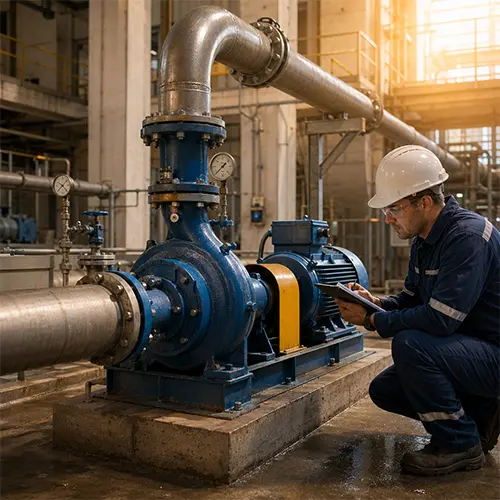
Pump failure in summer usually happens because high ambient temperature, warmer liquid, lower suction level, higher system demand, poorer cooling, and longer operating hours reduce the safety margin of the pump system. For plant engineers, maintenance teams, contractors, facility managers, irrigation users, and pump buyers, the problem often appears as motor trips, overheating, low flow, pressure loss, cavitation noise, mechanical seal leakage, bearing temperature rise, high current, VFD alarms, or repeated shutdown during the hottest hours of the day.
Summer does not always create a completely new pump problem. In many cases, summer exposes a weak margin that already existed in the system. A pump that runs acceptably in cooler weather may fail when ambient temperature rises, liquid temperature increases, suction water level drops, system demand becomes higher, or electrical supply becomes less stable during peak load. The pump may already be close to its hydraulic, thermal, electrical, or mechanical limit, and summer pushes it beyond that limit.
Pump failure in summer should be diagnosed before replacing parts. The correct decision is to compare the summer operating condition with the original pump selection: flow, head, suction level, liquid temperature, ambient temperature, motor current, voltage, bearing temperature, seal condition, VFD frequency, alarm history, and runtime. Only after these data are checked should the customer decide whether to improve suction, reduce load, clean the intake, repair the seal, inspect bearings, improve ventilation, correct electrical supply, adjust VFD settings, upgrade the motor, or reselect the pump.
Scope of This Guide: Which Pump Types and Summer Conditions Does This Apply To?
Pump failure in summer should be evaluated based on pump type, application, liquid condition, cooling method, and duty cycle. This guide mainly applies to pump systems that fail more often in hot weather, high ambient temperature, warm liquid, low suction level, or peak summer demand.
This guide is most useful for centrifugal water pumps and industrial water transfer systems. It can also help with submersible pumps, slurry pumps, chemical pumps, HVAC pumps, irrigation pumps, booster systems, and diesel-driven pump packages, but those applications require adjusted checks.
| Pump Type / Application | Can Use This Guide? | What Must Be Adjusted |
| End suction centrifugal pump | Yes | Focus on suction condition, motor load, seal, and bearing temperature |
| Split case pump | Yes | Add large-flow operation, alignment, and bearing checks |
| Multistage pump | Yes | Add high-pressure operation, seal chamber temperature, and stage load |
| Booster pump | Yes | Add pressure tank, VFD, demand spikes, and dry-run protection |
| HVAC cooling water pump | Yes | Add cooling tower load, water temperature, scaling, and seasonal demand |
| Irrigation pump | Yes | Add water level drop, suction lift, sand, and long daily operation |
| Submersible pump | With adjustment | Add water level, motor cooling, cable voltage drop, and dry-run risk |
| Slurry pump | With adjustment | Add solids concentration, abrasion, velocity, and temperature |
| Chemical pump | With safety adjustment | Add liquid compatibility, vapor pressure, seal plan, and safety review |
| Diesel pump | With adjustment | Add radiator cooling, fuel system, battery, and ambient heat |
This guide should not be used directly for certified fire pump acceptance testing, explosive or hazardous liquid transfer, API process pump systems, boiler feed or high-temperature process pumps, food/pharma sanitary pumps, high-voltage submersible pumps, or warranty disputes without temperature, current, flow, pressure, and maintenance data. Those cases require equipment manuals, project specifications, site safety procedures, and supplier engineering review.
What Is Summer Pump Failure?
Summer pump failure means a pump loses stable operation during hot weather because ambient heat, liquid temperature, suction margin, electrical load, cooling capacity, seasonal demand, or continuous runtime exceeds the safe operating margin of the pump system.
Summer pump failure does not always mean the pump itself is defective. A pump may fail in summer because the site condition changes: source water level drops, water temperature rises, VFD cabinet temperature increases, motor ventilation becomes insufficient, inlet screens clog faster, or demand exceeds the original selected duty point. The real question is not only “Which component failed?” but “Which summer condition pushed the pump system beyond its safe range?”
A professional diagnosis should separate heat-related overload, suction shortage, cavitation, electrical voltage problems, seal dry running, bearing overheating, and summer demand beyond the original duty point. This prevents customers from replacing the wrong component and repeating the same failure next season.
Why Pumps Fail More Often in Summer
A pump fails in summer when heat reduces the system’s operating margin. High ambient temperature, warmer liquid, lower suction water level, higher vapor pressure, increased demand, poor ventilation, scaling, and longer operating hours can cause motor overheating, cavitation, seal leakage, bearing temperature rise, high current, flow loss, VFD trips, and premature component failure.
Summer pump failure is usually a margin problem. A pump that operates near its hydraulic, thermal, electrical, or mechanical limit during normal weather may fail when ambient temperature rises, liquid temperature increases, suction level drops, or system demand becomes higher. The correct diagnosis should compare suction condition, liquid temperature, motor current, voltage, flow, pressure, bearing temperature, seal condition, VFD alarms, and cooling or ventilation conditions.
Direct Answer for Fast Diagnosis
A pump usually fails in summer because high temperature increases motor heat, reduces suction safety margin, raises vapor pressure, worsens cavitation risk, dries or overheats seals, increases bearing stress, and pushes the pump beyond its design operating range.
If a pump fails only in summer, do not restart it repeatedly before checking temperature, suction level, motor current, voltage, seal leakage, bearing temperature, and cavitation symptoms. A summer pump failure may come from high ambient heat, warm liquid, insufficient NPSH, poor ventilation, dry running, long operating hours, scaling, cooling failure, low voltage, or undersized pump/motor selection.
What Causes Pump Failure in Summer?
Summer pump failure usually happens because heat, suction shortage, higher demand, and poor cooling combine to overload the pump system. The fastest diagnosis is to match the symptom with the likely summer-related cause.
A pump that trips during the hottest hours may have motor or VFD cooling problems. A pump that loses flow in the afternoon may be affected by lower water level or cavitation. A pump that leaks at the seal may have dry-running, heat, scaling, or vibration problems. A pump that runs hot at the bearings may have lubrication, alignment, vibration, or load issues.
| Summer Symptom | Likely Cause | What to Check First | Best Action |
| Pump trips during hottest hours | Motor overheating or high current | Current, voltage, motor temperature | Improve cooling, reduce load, check motor sizing |
| Pump loses flow in afternoon | Suction water level drops / cavitation | Suction level, inlet pressure, noise | Improve suction condition |
| Pump makes gravel-like noise | Cavitation | NPSH, liquid temperature, suction pipe | Reduce suction loss or temperature risk |
| Mechanical seal leaks | Heat, dry running, poor lubrication | Seal chamber, liquid level, flush | Stop dry running, inspect seal |
| Bearing temperature rises | Lubrication, misalignment, heat | Bearing temperature, grease, alignment | Correct lubrication and alignment |
| VFD overload alarm | High demand, speed too high, poor cooling | Frequency, current, alarm code | Limit speed or review duty |
| Pump runs but pressure drops | Demand exceeds design / air in system | Flow, pressure, system demand | Compare with pump curve |
| Submersible pump stops | Low water level / motor cooling loss | Water level, cable voltage, protection | Restore submergence and cooling |
Failure Timing and Location: What the Summer Pattern Tells You First
Summer pump failure timing is often a direct clue to the root cause. A pump that fails only in the afternoon, after long runtime, after water level drops, or during peak demand is showing a different problem from a pump that fails immediately at startup.
Maintenance teams should record the time of failure, ambient temperature, liquid temperature, runtime before failure, water level, current, voltage, pressure, and alarm code. This information helps separate heat accumulation, low suction margin, electrical supply weakness, and summer demand overload.
| Failure Timing / Location | Likely Cause | What It Suggests | First Check |
| Fails only in afternoon | Ambient heat, voltage sag, low water level | Heat or suction margin issue | Current, voltage, water level, cabinet temperature |
| Fails after several hours of operation | Motor, bearing, VFD, or seal heat accumulation | Thermal margin issue | Motor temperature, bearing temperature, VFD temperature |
| Fails after water source drops | Suction shortage / cavitation | NPSH problem | Suction level, inlet pressure, air entry |
| Fails during peak water demand | Pump running beyond duty point | Selection or load issue | Flow, head, pump curve, motor current |
| Fails after restart | Air lock, poor priming, seal dry running | Startup condition problem | Prime condition, suction valve, foot valve, seal leakage |
| Fails near control cabinet | VFD or electrical panel overheating | Cooling or electrical issue | Cabinet fan, filter, heat sink, voltage |
| Fails at seal area | Dry running, heat, scaling, cavitation | Seal lubrication/cooling issue | Seal chamber, suction stability, deposits |
| Fails at bearing housing | Lubrication, alignment, vibration, heat | Mechanical stress issue | Grease/oil, bearing temperature, alignment |
| Fails at submersible motor | Low water level / poor cooling | Motor cooling loss | Submergence, water level, cable voltage |
| Fails at intake or strainer | Debris, algae, sediment | Blockage or flow starvation | Intake screen, strainer, suction pipe |
This timing-based review is especially useful for seasonal failures. If the same failure repeats every summer, there is usually a repeatable trigger that can be measured.
First Safety Decision: Can the Pump Keep Running in Summer Heat?
A pump should not continue running in summer heat if there are signs of overheating, cavitation, dry running, seal leakage, bearing distress, electrical imbalance, or repeated protection trips. Continuing operation may turn a small issue into motor burnout, seal failure, impeller damage, or bearing failure.
The first decision is not “Which part should we replace?” The first decision is “Can this pump safely keep running while we collect data?” If the pump shows symptoms that can quickly damage the motor, seal, bearing, or impeller, the safest action is to stop the pump and inspect the system.
Stop the Pump Immediately When These Signs Appear
A pump should be stopped when the failure symptom indicates imminent damage. Critical warning signs include loud cavitation noise, heavy vibration, repeated thermal overload trips, VFD high-temperature alarms, fast-growing seal leakage, abnormal bearing heat, dry running, burning smell from motor or cables, or sudden pressure collapse.
A pump that runs dry should be stopped immediately because mechanical seals can fail quickly without liquid lubrication. A pump with repeated overload trips should not be reset again and again because repeated restarts can overheat the motor and stress the control system. A pump with strong cavitation noise should be corrected before the impeller and casing suffer permanent damage.
Restart Safety Checklist After a Summer Pump Failure
A pump should only be restarted after the immediate failure risk is checked. Restarting without data can destroy the seal, overheat the motor again, worsen cavitation, or damage bearings.
| Before Restarting | Safe Condition to Confirm | Why It Matters |
| Motor temperature | Returned to acceptable range | Prevents insulation damage |
| Motor current | Expected to stay below rated current | Prevents overload recurrence |
| Voltage | Stable and balanced under load | Prevents high current and heat |
| VFD alarm | Cause identified and cleared | Avoids repeated drive trips |
| Suction water level | Enough water above intake / no dry-run risk | Protects seal and prevents cavitation |
| Pump priming | Pump casing and suction line properly filled | Prevents dry running and air lock |
| Seal leakage | Not rapidly increasing | Prevents bearing contamination and shutdown |
| Bearing temperature | Not abnormal | Prevents bearing and shaft damage |
| Cavitation noise | Not present during test run | Protects impeller and casing |
| Discharge pressure | Stable and within expected range | Confirms system condition |
| Intake screen / strainer | Clean enough for stable flow | Prevents flow starvation |
If any safety item cannot be confirmed, the safer decision is to keep the pump stopped and investigate the cause. A controlled restart should be done with current, pressure, vibration, and temperature monitored.
When Short-Term Reduced Operation May Be Acceptable
Short-term reduced operation may be acceptable only when current, temperature, vibration, flow, and pressure remain within safe limits. Possible temporary actions include reducing speed, limiting flow, improving ventilation, cleaning intake screens, reducing start-stop frequency, or operating during cooler hours.
Reduced operation is not a permanent fix. It is a temporary risk-control action while the maintenance team identifies whether the real cause is motor overload, suction shortage, cavitation, poor cooling, seal damage, bearing stress, or electrical supply problems.
Cost of Ignoring Summer Pump Failure
Ignoring summer pump failure often costs more than stopping early. A seal replacement is cheaper than a damaged shaft. A bearing replacement is cheaper than a broken shaft and damaged coupling. Correcting cavitation early is cheaper than replacing an impeller and casing.
| Ignored Symptom | Likely Damage | Cost Consequence |
| Cavitation noise | Impeller pitting, casing damage | Pump repair or replacement |
| Motor overheating | Insulation damage | Motor rewind or replacement |
| Seal leakage | Seal face damage, bearing contamination | Seal and bearing repair |
| Bearing heat | Bearing failure, shaft damage | Major downtime |
| Dry running | Seal destruction | Emergency repair |
| Repeated trips | Electrical component stress | VFD/starter/motor damage |
High Ambient Temperature: Why the Motor Trips or Overheats in Summer
Pump motors fail more easily in summer because high ambient temperature reduces cooling capacity and increases the operating temperature of windings, bearings, cables, starters, and VFDs. A motor that was already near its thermal limit may trip or overheat when the site temperature rises.
Motor overheating should not be diagnosed by touch alone. The maintenance team should measure actual motor current, voltage, phase balance, motor surface temperature, ambient temperature, and pump operating point. A motor can run hot because of poor cooling, high current, low voltage, overload, dirty fan covers, blocked ventilation, or incorrect motor sizing.
Motor Cooling Becomes Less Effective
Pump motor cooling becomes weaker when ambient air is already hot. If the pump room has poor ventilation, dust buildup, blocked motor fan covers, nearby heat sources, or direct sunlight, the motor may not reject heat effectively.
A motor designed for a certain ambient temperature may need derating when the actual installation is hotter. A pump installed in a closed pump room, containerized station, outdoor enclosure, or poorly ventilated equipment room may experience much higher temperature than the general outdoor temperature.
Motor Current May Rise Under Higher Load
Pump motor current may rise when summer demand increases, the pump runs longer hours, or the pump operates near full flow. A motor that was acceptable in spring may trip in summer because the load margin disappears.
If the pump trips at high demand and current rises near full flow, this pump full-flow overload guide can help engineers check whether flow, motor load, VFD speed, or system resistance is pushing the pump beyond its safe operating range.
VFD and Control Panels Also Need Cooling
VFDs (Variable Frequency Drives, motor speed control devices) and control panels can also overheat in summer. Cabinet fans, filters, heat sinks, cable terminals, overload relays, and contactors should be checked when a pump trips mainly during hot weather.
A VFD may reduce output or trip when its internal temperature rises. A dirty cabinet filter or failed cooling fan can cause a pump shutdown even if the pump itself is mechanically healthy. Control cabinet temperature should be recorded during the actual failure period, not only during a cool morning inspection.
What to Check Before Replacing the Motor
A motor should not be replaced until the load and cooling conditions are verified. If high current is caused by hydraulic overload, low voltage, poor ventilation, or VFD overspeed, a new motor may fail again.
| Check Item | Why It Matters |
| Motor current | Confirms overload |
| Voltage and phase balance | Detects supply problem |
| Ambient temperature | Confirms cooling margin |
| Motor surface temperature | Tracks heat risk |
| Fan and ventilation | Confirms cooling airflow |
| VFD alarm history | Identifies overload or overtemperature |
| Pump operating point | Confirms hydraulic load |
Warm Liquid and Low Suction Level: Why Cavitation Gets Worse in Summer
Pump cavitation often becomes worse in summer because warmer liquid has higher vapor pressure, suction water level may drop, and inlet losses may increase under higher flow demand. These conditions reduce NPSH margin and make the pump more likely to lose flow, vibrate, or damage the impeller.
Cavitation is one of the most common reasons a pump appears to “fail only in summer.” The pump may run normally in cooler weather, but when water temperature rises and water level drops, the pump inlet no longer has enough pressure margin to keep the liquid stable.
What NPSH Means in Simple Terms
NPSH (Net Positive Suction Head, the suction pressure margin that helps prevent liquid from vaporizing at the pump inlet) becomes more critical in summer. Customers do not need to remember only the formula; the practical meaning is simple: higher liquid temperature, lower water level, longer suction lift, and higher suction friction all reduce suction safety margin.
When NPSH margin becomes too low, vapor bubbles form and collapse inside the pump. This causes noise, vibration, flow instability, impeller pitting, and seal stress.
Why Summer Increases Cavitation Risk
Summer increases cavitation risk when source water level drops, liquid temperature rises, suction lift increases, flow demand increases, suction pipe friction increases, strainers clog faster, air leaks become more obvious, or the pump operates away from BEP (Best Efficiency Point, the most efficient and stable pump operating zone).
If the summer failure appears together with air bubbles, loss of prime, suction noise, or cavitation-like damage, this air inside pump troubleshooting guide can help maintenance teams check suction leaks, air pockets, and priming problems.
Cavitation Symptoms Customers Can Recognize
Cavitation symptoms are often easy to hear before they are easy to calculate. Operators may describe the sound as gravel, stones, crackling, or marbles inside the pump. The pump may also lose flow, vibrate, or show fluctuating pressure.
| Symptom | What It Means | First Check |
| Gravel-like noise | Vapor bubbles collapsing | Suction condition |
| Flow drops suddenly | Pump cannot maintain stable inlet | Source level and suction pipe |
| Vibration increases | Hydraulic instability | NPSH and operating point |
| Impeller pitting | Cavitation damage | Inlet pressure and temperature |
| Seal leakage | Cavitation and vibration stress | Seal chamber and pump vibration |
Mechanical Seal Failure in Summer: Heat, Dry Running, and Poor Lubrication
Pump mechanical seals fail more often in summer when liquid temperature rises, cooling is poor, suction conditions become unstable, or the pump runs dry during low water level. Seal faces need stable liquid film, correct pressure, and controlled temperature to survive.
A mechanical seal should not be treated as an isolated consumable part when it fails every summer. Repeated seal leakage usually means the seal is being attacked by heat, dry running, cavitation, vibration, pressure instability, scaling, or wrong material selection.
Why Heat Damages Seal Faces
Mechanical seal faces depend on a thin liquid film for lubrication and cooling. High temperature, dry running, cavitation, poor seal flush, scaling, or unstable suction can destroy that film and cause leakage, scoring, cracking, or rapid seal wear.
When the liquid film fails, the seal faces can run hot very quickly. This can cause visible leakage, black marks, cracked faces, damaged elastomers, or sudden failure after a short period of summer operation.
Dry Running During Summer Low Water Level
Dry running becomes more likely in summer when the water source drops, the suction line takes in air, or the pump loses prime. Even short dry-running events can damage seal faces quickly.
A pump that loses prime in the afternoon or after peak demand should not simply receive a new seal. The suction source, foot valve, suction pipe joints, air leakage, priming method, and water level should be checked first.
Scaling and Deposits Around Seal Chamber
Scaling and deposits can increase in warm water systems. Hard water, cooling water, and chemically treated water may leave deposits around the seal chamber, reducing cooling and causing seal face overheating.
If white deposits or crystalline buildup appear near the seal, the maintenance team should review water hardness, chemical treatment, seal flush, and temperature.
Seal Failure Decision Table
A seal failure table helps prevent the common mistake of replacing the seal without correcting the system condition that destroyed it.
| Seal Symptom | Likely Summer Cause | Best Action |
| Sudden heavy leakage | Dry running / seal face damage | Stop pump and inspect seal |
| Leakage after hot operation | Thermal distortion / poor cooling | Check seal chamber temperature |
| White deposits near seal | Scaling or hard water | Improve water treatment |
| Seal fails repeatedly | Suction instability or wrong seal material | Check NPSH and seal selection |
| Seal leaks after cavitation noise | Vibration and vapor damage | Fix suction before replacing seal |
If summer operation causes seal leakage or repeated seal replacement, this pump seal leak troubleshooting guide can help identify whether the root cause is dry running, seal chamber heat, vibration, pressure, or installation error.
Bearing Temperature and Lubrication Problems in Hot Weather
Pump bearings are more likely to run hot in summer because ambient heat, poor lubrication, misalignment, vibration, and continuous operation increase bearing stress. A bearing problem should be corrected before it damages the shaft, coupling, or motor.
Bearing temperature is not just a maintenance detail. High bearing temperature can lead to bearing failure, shaft damage, seal failure, coupling stress, and unexpected shutdown. When bearing heat appears together with vibration or noise, the pump should be inspected before continued operation.
Why Bearing Grease and Oil Conditions Change in Heat
Bearing lubrication becomes less forgiving in hot weather. Too little lubricant increases friction; too much grease can also cause heat buildup; old or contaminated lubricant may lose protection under continuous high-temperature operation.
Hot weather can also make existing lubrication mistakes more visible. A bearing that runs acceptably in cool weather may overheat under higher ambient temperature and longer summer runtime.
Misalignment Becomes More Serious Under Thermal Expansion
Thermal expansion can make alignment and pipe stress worse during long hot-weather operation. A pump that was marginally aligned during cold conditions may show coupling heat, vibration, bearing temperature rise, or seal leakage during summer operation.
If summer bearing temperature rises together with vibration or abnormal noise, this bearing failure diagnosis guide can help maintenance teams separate lubrication problems, misalignment, overload, and contamination.
Bearing Failure Warning Signs
Bearing failure warning signs should be taken seriously because bearing damage can quickly spread to other components. A hot bearing housing, rumbling sound, increasing vibration, hot coupling, or seal leakage may all indicate that the rotating assembly is under stress.
| Warning Sign | Possible Cause | Next Step |
| Bearing housing hot | Lubrication or load issue | Check grease/oil and alignment |
| Rumbling noise | Bearing wear | Stop and inspect bearing |
| Vibration increases | Misalignment or cavitation | Check both hydraulic and mechanical causes |
| Coupling gets hot | Misalignment | Re-align after thermal condition |
| Seal starts leaking too | Shaft movement or vibration | Inspect bearing and seal together |
Summer Demand Spikes: When the System Requires More Than the Pump Was Designed For
Pump systems often fail in summer because demand increases beyond the original design condition. Cooling systems, irrigation systems, booster systems, and drainage systems may require longer operation, higher flow, or higher pressure during hot weather.
A pump selected for average demand may not be suitable for peak summer demand. When the system asks for more flow or longer runtime, the pump may operate far from its intended duty point. This can increase current, reduce efficiency, increase NPSH requirement, and shorten component life.
Higher Flow Demand Can Push the Pump Away from BEP
Higher flow demand can push the pump away from BEP and into a less stable operating range. This may increase current, reduce efficiency, increase NPSH requirement, and raise the risk of cavitation or vibration.
For centrifugal pumps, more flow is not always safer. If the pump moves too far to the right side of the pump curve, the motor may draw more current, suction margin may decrease, and the pump may become noisier or less stable.
Longer Daily Operation Reduces Safety Margin
Longer runtime increases heat accumulation in the motor, bearings, seal chamber, VFD, and control panel. A pump that can run safely for a short period may fail during extended summer duty.
This is common in irrigation, cooling, drainage, and booster systems. A pump that was selected for intermittent operation may be forced into long continuous operation during summer, exposing thermal and mechanical limits.
Demand Spike Decision Table
Summer demand should be compared with the original duty point. If demand changes significantly, the pump curve and system curve should be reviewed.
| Summer Demand Change | Possible Risk | Best Decision |
| Higher irrigation demand | Lower source water level / cavitation | Check suction level and pump curve |
| Higher cooling load | Motor current and water temperature rise | Check flow, head, and motor load |
| More users in booster system | Pressure fluctuation / VFD overload | Check tank, sensor, VFD settings |
| Longer runtime | Heat accumulation | Add cooling and maintenance intervals |
| Higher drainage demand | Solids and blockage increase | Check strainer and impeller condition |
Water Quality, Scaling, and Debris: Why Summer Makes Blockage and Wear Worse
Summer can increase scaling, biological growth, sediment, algae, and debris in water systems. These conditions can block strainers, reduce flow, increase pump load, damage seals, and accelerate corrosion or wear.
Water quality problems often look like pump problems. A blocked strainer can reduce flow. Debris in the impeller can increase vibration. Scaling can reduce cooling and seal chamber performance. Algae can block intake screens. These problems should be checked before blaming the pump itself.
Scaling in Warm Water Systems
Scaling becomes more likely when water temperature rises, especially in cooling water systems, hard-water systems, and seal flush areas. Scale can reduce flow, block small passages, increase friction, and reduce heat transfer.
In seal chambers, scaling can cause localized overheating. In cooling systems, scaling can reduce heat exchange and increase pump operating load.
Algae, Debris, and Strainer Blockage
Algae, leaves, sediment, and floating debris can increase in summer water sources. Strainers, filters, intake screens, and impellers should be inspected more frequently during peak season.
For irrigation and drainage pumps, intake conditions may change quickly during summer. A pump that loses flow may simply be starved by a blocked intake screen or partially clogged suction line.
Why Blockage Can Look Like Pump Failure
Blockage can make a pump appear defective because it reduces flow, changes pressure, increases vibration, and may cause the motor load to change. Before replacing the pump, check intake screens, strainers, suction piping, and impeller passages.
If blockage repeats, the solution may require better screening, more frequent cleaning, a different intake position, or a pump design better suited to debris.
Electrical Supply Problems During Peak Summer Load
Pump electrical failures can increase during summer because grid load is higher, voltage may sag, cables and panels run hotter, and overloaded systems have less margin. Electrical checks should always be part of summer pump troubleshooting.
Electrical problems are often misread as pump problems. If voltage drops during peak demand, the motor may draw more current and overheat. If cables are undersized or terminals are loose, heat increases. If the VFD cabinet is hot, the drive may trip even when the pump is mechanically normal.
Low Voltage and Phase Imbalance
Low voltage and phase imbalance can increase motor heating and cause trips. Voltage should be measured under load during the same period when the failure occurs, not only when the pump is stopped.
For three-phase motors, phase current should be compared across all phases. A large imbalance may point to supply problems, cable issues, contactor faults, or motor winding problems.
Cable and Control Cabinet Heat
Cable joints, terminals, contactors, overload relays, and VFD cooling fans may run hotter in summer. Loose terminals or undersized cables can become more dangerous when ambient temperature rises.
Control cabinet ventilation should be checked. Dust-clogged filters, failed fans, blocked air paths, and direct sun exposure can all increase trip risk.
Electrical Checklist
Electrical data should be recorded during the failure condition. A cool morning reading may not show the problem that appears during afternoon peak load.
| Electrical Check | Why It Matters |
| Voltage under load | Finds summer voltage sag |
| Phase current balance | Detects imbalance |
| Cable temperature | Finds resistance or undersizing |
| VFD heat sink / fan | Confirms cooling |
| Panel ventilation | Prevents control overheating |
| Motor insulation trend | Identifies heat damage risk |
Step-by-Step Troubleshooting When a Pump Fails in Summer
Summer pump failure should be diagnosed in a fixed sequence: confirm the failure symptom, protect the pump from repeated restart, measure electrical load, check temperature, inspect suction condition, confirm flow and pressure, inspect seals and bearings, and then decide whether the root cause is heat, cavitation, overload, water quality, or selection mismatch.
This sequence prevents random repairs. Replacing a seal before checking dry running, replacing a motor before checking overload, or replacing a pump before checking suction condition can lead to repeated failure.
Step 1: Identify the Exact Summer Failure Symptom
Start by identifying whether the pump is tripping, overheating, losing flow, losing pressure, making noise, vibrating, leaking from the seal, showing bearing heat, showing VFD alarms, or burning the motor.
The symptom defines the first diagnostic path. A noisy pump points toward suction and cavitation. A hot motor points toward current, voltage, cooling, and load. A leaking seal points toward dry running, heat, vibration, and seal chamber condition.
Step 2: Stop Repeated Restart Attempts
Repeated restart attempts can damage motors, VFDs, starters, seals, bearings, and impellers. If the same trip repeats, collect data before restarting again.
Operators should record the time of failure, ambient temperature, liquid temperature, current, voltage, pressure, flow, alarm code, and visible symptoms. This information is more useful than another reset.
Step 3: Measure Motor Current, Voltage, and Temperature
Measure current, voltage, phase balance, motor temperature, ambient temperature, and VFD alarm history. This separates electrical overload from thermal cooling issues.
If current is above the motor nameplate rating, check whether the pump is overloaded or running beyond its intended duty point. If voltage is low, correct the supply issue before blaming the pump.
Step 4: Check Suction Water Level and Inlet Pressure
Check whether the water source has dropped, suction lift has increased, intake screen is blocked, or air is entering the suction line. Summer suction problems are one of the most common causes of flow loss and cavitation.
For suction-lift applications, a small drop in water level can significantly reduce suction margin. For submersible pumps, low water level can reduce motor cooling.
Step 5: Check Cavitation and Air Symptoms
Listen for gravel-like noise, check pressure fluctuation, inspect flow instability, and look for impeller pitting if the pump has been opened. Cavitation must be corrected before replacing seals or impellers.
If air is entering the suction line, the pump may lose prime or run unstable. Suction joints, gaskets, valves, and priming arrangements should be checked.
Step 6: Inspect Mechanical Seal and Bearing Condition
Check seal leakage, seal chamber temperature, bearing housing temperature, lubrication condition, vibration, and contamination. Seal and bearing problems often appear together when vibration or heat is present.
If the seal has failed, identify whether the seal ran dry, overheated, or vibrated before it leaked. If bearings are hot, check lubrication and alignment before continued operation.
Step 7: Compare Summer Duty with Original Pump Selection
Compare actual summer flow, head, runtime, liquid temperature, suction level, and demand with the original pump selection. If summer duty exceeds the design basis, the pump may need operating changes or reselection.
A pump that fails every summer may not be defective. It may simply be operating outside the condition it was selected for.
Step 8: Decide the Correct Fix
Decide based on the root cause. Improve ventilation if cooling is poor. Improve suction if cavitation appears. Clean strainers if blockage exists. Correct voltage if electrical supply is weak. Replace seals or bearings only after the operating cause is corrected. Reselect the pump if summer demand exceeds its design range.
Summer Pump Failure Decision Framework
The correct summer pump failure solution depends on whether the root cause is heat, cavitation, electrical supply, seal failure, bearing stress, water quality, or undersized selection. Replacing parts without identifying the cause often repeats the failure.
A decision framework helps the customer avoid the most expensive mistake: replacing the damaged component while leaving the summer trigger unchanged.
| Root Cause | Best Fix | What Not to Do |
| Motor overheating | Improve ventilation, reduce load, verify sizing | Do not keep resetting overload |
| Cavitation | Improve suction, reduce temperature or flow demand | Do not only replace impeller |
| Seal dry running | Restore liquid supply and seal lubrication | Do not replace seal before fixing suction |
| Bearing overheating | Correct lubrication, alignment, vibration | Do not run until bearing fails |
| Low voltage | Fix power supply and cable sizing | Do not blame pump first |
| Water level drop | Reduce suction lift / adjust installation | Do not operate near dry-run |
| Strainer blockage | Clean intake and improve filtration | Do not increase speed to compensate |
| Summer demand exceeds design | Recheck pump curve and system load | Do not overspeed blindly |
Best Fix by Summer Failure Symptom
The best repair decision should start from the symptom, not from the failed part alone. A mechanical seal, bearing, motor, VFD, or impeller may be the damaged component, but the summer trigger may be suction shortage, heat, overload, voltage sag, or poor cooling.
| Symptom | Most Likely Summer Trigger | Best First Fix |
| Pump trips in afternoon | Motor/VFD heat or voltage sag | Measure current, voltage, cabinet temperature |
| Pump loses flow | Low suction level, cavitation, blocked intake | Check water level, inlet pressure, strainer |
| Pump makes gravel noise | Cavitation | Improve suction condition and reduce NPSH risk |
| Seal leaks suddenly | Dry running or seal face overheating | Check prime, suction stability, seal chamber cooling |
| Bearing runs hot | Lubrication, misalignment, vibration | Check grease/oil, alignment, bearing temperature |
| VFD trips | Heat, overload, high frequency, blocked fan | Check frequency, current, fan, heat sink |
| Pressure fluctuates | Demand spike, air, cavitation, tank issue | Check suction, pressure tank, sensor, system demand |
| Motor burns or smells hot | Overload, low voltage, poor ventilation | Stop pump, check current, voltage, cooling |
| Submersible pump stops | Low water level or motor cooling loss | Restore submergence and verify dry-run protection |
| Repeated summer failures | Selection margin too small | Compare summer duty with original pump curve |
This table helps customers avoid a common mistake: fixing the visible failure while ignoring the seasonal trigger.
When Summer Pump Failure Means You Need a Different Pump Selection
Summer pump failure may require pump reselection when the actual hot-weather duty is outside the original design basis. If the pump is repeatedly pushed beyond its hydraulic, suction, thermal, or electrical margin every summer, maintenance alone may not solve the problem.
A different pump selection should be considered when measured summer flow, head, runtime, liquid temperature, suction level, or demand is consistently different from the original selection data. In that case, replacing seals, bearings, or motors may only delay the next failure.
When Reselection May Be Needed
Pump reselection may be needed when the pump cavitates every summer despite suction maintenance, motor current exceeds rating under normal summer demand, VFD speed must stay near maximum for long periods, the pump operates far from BEP, the suction water level falls below the design basis, or the pump must run continuously even though it was selected for intermittent duty.
For buyers, the important decision is to compare actual summer data with the original pump curve. If the summer duty point is outside the safe operating range, a different pump, motor, impeller trim, control strategy, or installation arrangement may be required.
When Repair Is Usually Enough
Repair is usually enough when the root cause is a clogged strainer, blocked intake, dirty motor fan, failed VFD cabinet fan, poor lubrication, damaged seal, loose terminal, or temporary water quality issue. In these cases, the pump may still be suitable if the site condition is corrected.
The decision should be based on measured data rather than assumptions. If the pump returns to stable operation after correcting the site issue, reselection may not be necessary.
Cost Consequences of Ignoring Summer Pump Failure
Summer pump failure becomes expensive when early warning signs are ignored. The cost is not only the pump part itself; it includes downtime, emergency repair, motor replacement, seal failure, energy waste, and lost production or water supply.
The most expensive summer failures are usually repeated failures. A seal leaks, gets replaced, and leaks again. A motor trips, gets reset, and later burns. A pump cavitates, keeps running, and eventually needs an impeller or casing repair. The real cost comes from not removing the root cause.
Why Repeated Restarts Are Expensive
Repeated restarts can overheat motor windings, stress the VFD, damage contactors, destroy seal faces, and worsen cavitation damage. A pump that trips repeatedly is asking for diagnosis, not repeated reset.
Each restart under abnormal conditions can make the final repair more expensive. If the pump has lost prime or is cavitating, restarting may damage the seal and impeller. If the motor is overheated, restarting may accelerate insulation damage.
Why Replacing Only the Failed Part May Not Work
Replacing only the failed part may not solve summer pump failure if the root cause remains. A new seal will fail again if the pump runs dry; a new bearing will overheat again if alignment or cavitation is not corrected; a new motor may burn again if load and voltage are not checked.
A repair decision should always ask: “What caused this part to fail in summer?” not only “Which part failed?”
Cost Consequence Table
| Wrong Decision | Likely Result | Cost Impact |
| Reset overload repeatedly | Motor insulation damage | Motor repair/replacement |
| Replace seal without fixing dry-run | Seal leaks again | Repeated maintenance |
| Ignore cavitation noise | Impeller/casing damage | Pump overhaul |
| Run with hot bearings | Shaft and bearing failure | Major downtime |
| Ignore low voltage | Motor overheating | Electrical repair |
| Overspeed pump in summer demand | Overload and cavitation | Shortened pump life |
Summer Prevention Checklist for Pump Buyers and Maintenance Teams
Summer pump failure prevention should begin before the hottest season. Maintenance teams should review suction level, cooling, electrical load, seal condition, bearing lubrication, water quality, and pump duty before peak demand arrives.
Preventive work is especially important for pumps used in irrigation, cooling, booster systems, drainage, wastewater, and outdoor installations. These systems often face higher demand and harsher conditions in summer.
Before Summer Starts
Before summer starts, check the pump curve and expected summer duty, record normal current and temperature, inspect suction source and water level, clean strainers and filters, inspect seal leakage, check bearing lubrication, inspect motor fan and ventilation, clean VFD/control cabinet filters, verify voltage and phase balance, and prepare spare seals, bearings, and gaskets.
The goal is to create a baseline. If the pump later fails during summer, the team can compare current, temperature, flow, and pressure with the baseline values.
During Summer Operation
During summer operation, monitor current during the hottest hours, record bearing and motor temperature, listen for cavitation noise, check suction water level daily, inspect seal leakage, clean intake screens more often, avoid unnecessary overspeed, and do not ignore VFD alarms.
Operators should pay attention to time patterns. A failure that always appears in the afternoon may be linked to heat, low water level, peak electrical load, or peak system demand.
After a Summer Failure
After a summer failure, collect failure time, ambient temperature, liquid temperature, flow, pressure, current, voltage, suction level, runtime, alarm records, and photos of seal, bearing, impeller, and control panel. Then compare the failure data with the original pump selection.
This data helps determine whether the pump should be repaired, operated differently, upgraded, or reselected.
Supplier / Engineering Data Checklist for Summer Pump Failure
A supplier can diagnose summer pump failure faster when the customer provides complete site data instead of only saying “the pump fails in hot weather.” The most important data are temperature, suction condition, flow, pressure, current, voltage, runtime, and failure symptoms.
Good supplier communication reduces repeated troubleshooting. It also helps separate pump quality issues from site condition issues.
| Data Type | What to Provide | Why It Matters |
| Pump model | Confirms pump type | Checks curve and limits |
| Application | Cooling, irrigation, drainage, booster | Identifies summer demand |
| Ambient temperature | Site heat condition | Checks motor/panel cooling |
| Liquid temperature | Cavitation and seal risk | Checks vapor pressure and material |
| Flow and pressure | Operating point | Compares with curve |
| Motor current | Load condition | Confirms overload |
| Voltage / phase data | Electrical supply | Finds low voltage or imbalance |
| Suction level | NPSH condition | Checks cavitation and dry-run |
| Runtime per day | Heat accumulation | Checks duty cycle |
| Failure symptom | Trip, leak, noise, low flow | Directs troubleshooting |
| Photos/videos | Visual evidence | Supports remote diagnosis |
If the pump failed after a seasonal demand change, the supplier should also receive the original duty point and the current measured duty point. This helps determine whether the pump still matches the system.
Supplier Responsibility vs Site Responsibility in Summer Pump Failure
Summer pump failure responsibility should be judged with data, not assumptions. A pump can fail because the supplied pump did not match the agreed duty, but it can also fail because the actual summer condition changed after selection.
This table is not a legal judgment. It is a technical communication tool that helps buyers, contractors, suppliers, and maintenance teams compare the original selection basis with actual summer operation.
| Situation | More Likely Supplier / Selection Issue | More Likely Site / Operation Issue | Evidence Needed |
| Pump selected without considering provided summer temperature | Possible | Less likely | RFQ data, technical proposal |
| Motor undersized for agreed duty point | Possible | Less likely | Pump curve, motor nameplate, selection sheet |
| Delivered pump does not match selected curve | Yes | No | Test report, nameplate, impeller diameter |
| Actual summer demand exceeds provided data | Less likely | Yes | Measured flow/head vs original duty |
| Water level drops below design basis | No | Yes | Suction level records |
| VFD cabinet overheats due to poor ventilation | No | Yes | Cabinet temperature, fan/filter condition |
| Site voltage drops during peak load | No | Yes | Voltage readings under load |
| Seal fails after dry running | Usually no | Usually yes | Water level, priming, dry-run record |
| Pump cavitates despite correct suction data provided | Possible | Depends | NPSH data, suction piping, liquid temperature |
| Pump passed factory test but fails under different summer site condition | Not enough alone | Possible | Factory test condition vs site condition |
A fair review should compare measured summer data with the original selection data. If the pump was selected correctly for one condition but used in a hotter, lower-water, higher-demand condition, the site condition should be corrected or the pump should be reselected. If the site matches the agreed condition and the pump still fails, supplier review is reasonable.
Factory Test vs Summer Site Operation: Why the Pump Passed Test but Failed in Hot Weather
A pump can pass factory testing but fail in summer site operation because factory testing is usually performed under controlled conditions, while summer site operation includes higher ambient temperature, warmer liquid, lower suction level, longer runtime, unstable voltage, and higher demand.
This difference matters in technical discussions. A factory test may prove that the pump can meet flow and head under test conditions. It does not automatically prove that the site’s summer suction margin, electrical supply, cooling condition, and runtime are suitable.
What Factory Testing Can Prove
Factory testing can verify basic hydraulic performance, flow, head, leakage, vibration, and assembly condition under controlled test conditions. It does not automatically prove that the pump will survive every summer site condition.
Factory tests are usually performed with controlled water temperature, stable voltage, short test duration, and known suction conditions. Summer field operation may be very different.
What Summer Site Operation Reveals
Summer site operation reveals thermal margin, suction margin, electrical margin, and continuous-duty margin. A pump may be technically correct but still unsuitable if actual summer duty exceeds the original selection basis.
For example, an irrigation pump may pass factory testing but cavitate on site when the river level drops. A booster pump may pass testing but trip when summer demand pushes the VFD to high frequency for long periods. A cooling water pump may pass testing but run hot when water temperature and system load increase.
How to Compare Fairly
A fair comparison should use the same flow, head, liquid temperature, ambient temperature, suction level, voltage, speed, runtime, valve position, and protection settings. Without these data, it is difficult to separate pump defect from site operating mismatch.
If site data matches the original selection basis and the pump still fails, supplier review is reasonable. If the site data differs significantly from the selection basis, the system condition or selection should be reviewed first.
FAQ About Pump Failure in Summer
Pump failure in summer usually comes from heat, suction shortage, higher demand, poor cooling, electrical stress, seal dry-running, bearing temperature, or selection mismatch. These questions reflect the real concerns engineers, maintenance teams, and pump buyers ask when pumps fail more often during hot weather.
Why does my pump fail more often in summer?
A pump fails more often in summer because high ambient temperature, warmer liquid, lower suction level, higher demand, poorer cooling, longer runtime, and voltage fluctuation reduce the system’s safety margin. The pump may already be close to its hydraulic, thermal, or electrical limit, and summer pushes it beyond that limit.
The first checks should be ambient temperature, liquid temperature, motor current, voltage, suction water level, inlet pressure, seal leakage, bearing temperature, and VFD alarm history.
Why does my pump trip only during hot weather?
A pump trips only during hot weather because the motor, VFD, control cabinet, or overload protection may be operating near its temperature limit. High current, low voltage, poor ventilation, dusty cooling fans, or higher system demand can make the problem appear only during the hottest hours.
Measure current and voltage during the actual hot-weather failure period. A normal reading during cool weather may not show the real problem.
Can summer heat cause pump cavitation?
Summer heat can increase cavitation risk because warmer liquid has higher vapor pressure, while lower water levels and higher flow demand reduce suction margin. If the pump makes gravel-like noise, loses flow, or vibrates more in summer, NPSH and suction conditions should be checked.
Cavitation should be corrected before replacing seals, bearings, or impellers because it can damage all of them.
Why does my pump lose flow in summer?
A pump may lose flow in summer because the source water level drops, suction lift increases, intake screens clog, air enters the suction line, liquid temperature rises, cavitation occurs, or system demand exceeds the pump’s selected duty point.
The correct check is to measure suction condition, discharge pressure, flow, valve position, and intake blockage during the failure period.
Why does my pump seal leak more in summer?
A pump seal may leak more in summer because heat, dry running, cavitation, poor seal chamber cooling, scale, vibration, or unstable suction damages the seal faces. Replacing the seal without correcting the cause may lead to repeated leakage.
Check whether the pump lost prime, ran dry, cavitated, overheated, or operated with unstable pressure before the seal started leaking.
Should I restart the pump after a summer trip?
You should not restart the pump immediately after a summer trip unless the cause is understood and basic safety checks are complete. Check motor temperature, current, voltage, suction water level, priming condition, bearing temperature, seal leakage, VFD alarm, and cavitation noise first.
If the same alarm repeats, stop restarting and collect diagnostic data. Repeated restart can turn a recoverable issue into motor, seal, or bearing failure.
Should I replace the pump if it fails every summer?
You should not replace the pump first without checking the summer operating condition. Measure flow, head, current, voltage, suction level, liquid temperature, ambient temperature, runtime, seal condition, and bearing temperature. If summer demand exceeds the original selection, the pump may need operating changes or reselection.
A replacement pump selected from the same incomplete data may fail again.
What should I check before restarting a pump after summer failure?
Before restarting a pump after summer failure, check motor temperature, current, voltage, phase balance, bearing temperature, seal leakage, suction water level, inlet blockage, cavitation noise, VFD alarms, and whether the pump has lost prime or run dry.
If the same fault appears repeatedly, stop restarting and collect diagnostic data.
What data should I send to the pump supplier?
Send the pump model, application, ambient temperature, liquid temperature, flow, pressure, motor current, voltage, suction level, runtime, alarm records, failure symptoms, and photos/videos. This helps the supplier separate heat, cavitation, overload, electrical, seal, bearing, and selection problems.
A short video of the sound, vibration, pressure gauge, and control panel during failure can be very useful for remote diagnosis.
Conclusion
Pump failure in summer usually means the pump system has lost its operating margin under heat, demand, suction, cooling, or electrical stress. The correct decision is to diagnose the real summer trigger before replacing parts.
A summer pump failure should not be blamed only on “bad pump quality.” Customers should first record ambient temperature, liquid temperature, current, voltage, flow, pressure, suction level, runtime, and alarm history. Then they should determine whether the problem is motor overheating, cavitation, seal dry-running, bearing overheating, electrical supply weakness, water quality blockage, or selection margin shortage.
If the motor overheats, check load, ventilation, voltage, and motor margin. If cavitation appears, check NPSH, water level, suction pipe, and liquid temperature. If the seal leaks, check dry running, cavitation, seal chamber heat, and vibration before replacing the seal. If the bearing runs hot, check lubrication, vibration, alignment, and thermal expansion. If summer demand exceeds the original design point, recheck the pump curve and system curve.
For engineers, maintenance teams, and pump buyers, the key lesson is simple: a pump that fails every summer usually has a repeatable trigger. Find that trigger before replacing parts. The right correction may be better suction conditions, improved ventilation, cleaner intake screens, electrical correction, VFD adjustment, seal or bearing repair, reduced operating load, or complete pump reselection based on real summer duty.
Get A Quote

Get A Quote
0 Comments